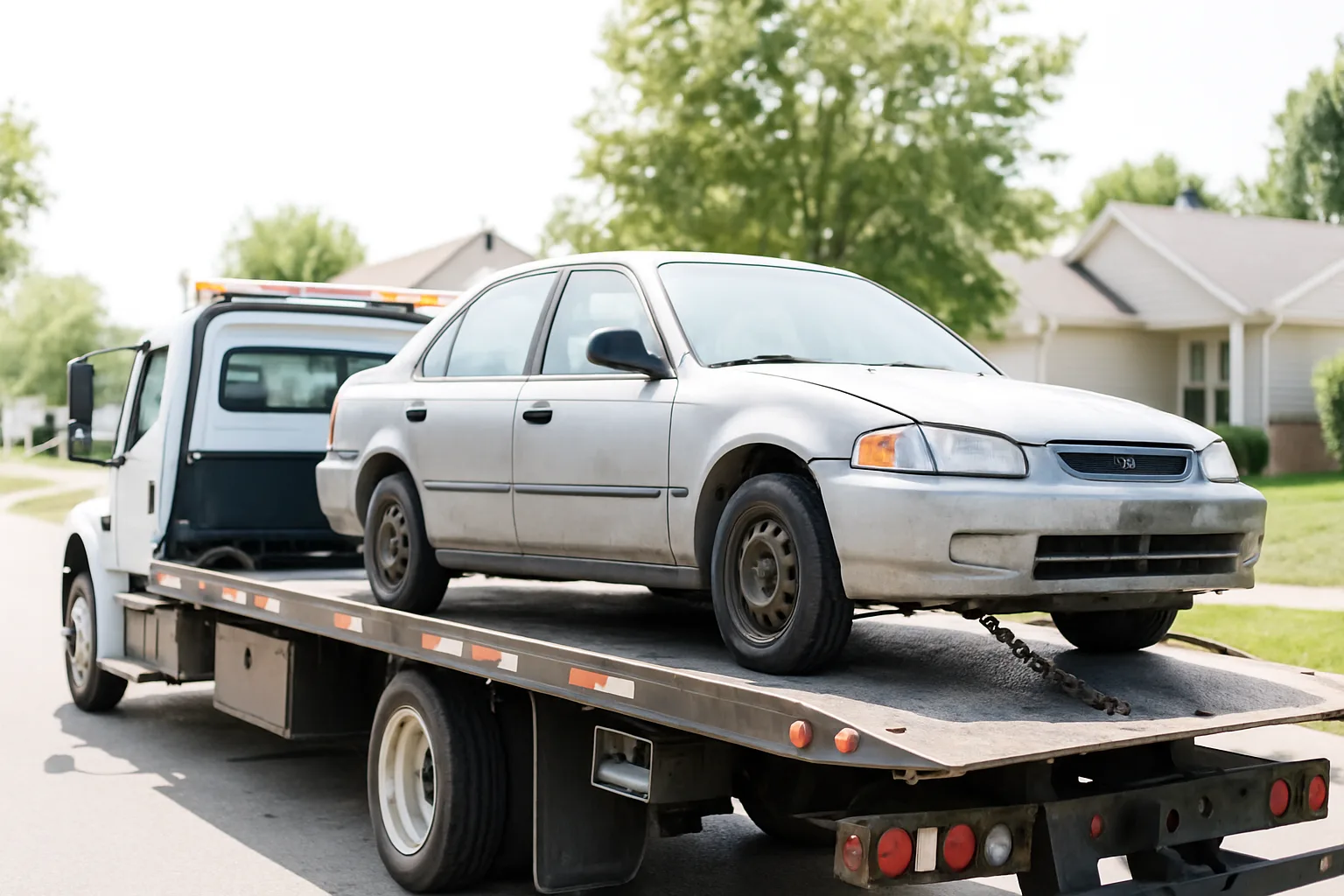
Think every junk car is worth the same? Not even close. A 2008 Ford F-150 and a 2005 Honda Civic might both be headed to the crusher, but they'll fetch very different numbers — and the gap often surprises first-time sellers. If you're looking into free scrap car pickup Orlando, understanding what actually drives your car's value puts more money in your pocket before you ever make the call.
Scrap car pricing isn't random. It follows a logic — one tied to metal markets, parts demand, vehicle weight, and condition. This week's roundup breaks down exactly why your neighbor got a different quote than you did, and what you can do about it.
The Weight Game: Why Heavier Vehicles Command Higher Scrap Prices
At its core, a scrap car is a block of metal. When it hits the recycler, the first thing they measure is weight. Steel is the dominant material in most vehicles, and steel prices fluctuate with global demand — construction booms, manufacturing slowdowns, and international trade all move the needle. A full-size pickup truck can weigh anywhere from 4,500 to 6,000 pounds. A compact sedan might clock in at 2,800. That difference translates directly to scrap value.
This is why trucks, SUVs, and vans tend to get higher base quotes than compact cars. It's not about brand prestige — it's pure tonnage. Cast iron engine blocks, heavy steel frames, and thick body panels all add up. If you're driving a larger vehicle to its final resting place, expect that weight to work in your favor.
- Full-size trucks and SUVs: Higher scrap value due to weight and usable parts
- Minivans: Moderate weight, often good for engine and transmission cores
- Compact sedans: Lower base metal value, but popular parts can offset the difference
- Luxury vehicles: More aluminum and specialty metals — can go either way
Platforms like SMASH help make sense of this by connecting sellers to vetted buyers who understand these weight-based variables. More competition on your load means better price discovery — especially when you're not sure if your quote is fair.
Make and Model Matter More Than You Think for Junk Car Removal in Orlando
Orlando's climate is tough on vehicles. Heat, humidity, and the occasional flooding event accelerate rust and mechanical wear. But even in Florida, certain makes and models hold their scrap value better than others — and it comes down to parts availability and buyer demand.
Honda Civics, Toyota Camrys, Ford F-Series trucks, and Chevy Silverados are perennial high-demand vehicles at salvage yards. Why? Because they're everywhere on the road, which means their parts are constantly needed for repairs. A working alternator from a 2007 Camry has a ready buyer. The same part from a less common import may sit on the shelf for months. Auto recyclers in Orlando and across Florida price with this demand curve in mind.
Here's what typically drives model-specific value:
- Parts demand: High-volume models generate more salvageable part value
- Engine type: Diesel engines, performance V8s, and hybrid components often carry premium value as cores
- Transmission type: Automatics are generally more valuable than manuals in the current used parts market
- Catalytic converter metals: Platinum, palladium, and rhodium content varies by make — some cats are worth more than others
- Aluminum content: Newer models with aluminum body panels or blocks may bring more per pound than older all-steel builds
If you've got a late-model truck or a popular Japanese sedan sitting dead in your driveway, you may be sitting on more value than a flat scrap quote reflects. That's worth knowing before you sell your scrap car for fair pricing.
Condition Is the Wildcard: From Running to Stripped to Flooded
Two identical 2010 Toyota Corollas can get wildly different quotes depending on what condition they're in. Condition affects both the metal yield and the salvageable parts — and buyers price both into their offers.
Running vehicles almost always command more money. A car that starts and drives can be inspected more thoroughly, may qualify for resale rather than crushing, and gives the buyer more options. Even if it's barely road-legal, a running vehicle tells a recycler that the drivetrain has some life left in it.
Non-running but intact vehicles are the middle ground. If the engine seized but the body is clean and the interior is unstripped, you still have a lot to work with. Buyers can pull parts before crushing. The quote will be lower than a runner, but higher than a stripped shell.
Stripped or heavily damaged vehicles — those missing catalytic converters, with stripped interiors, or with major collision damage — are closer to pure scrap weight value. A missing catalytic converter alone can reduce your quote significantly, given how much precious metal content those components carry.
Flood-damaged vehicles require special mention, especially in Florida. Water intrusion into electrical systems and drivetrains complicates salvage value. Buyers price in the extra labor to assess and process these vehicles. That said, they're still worth something — don't let anyone tell you a flood car is worthless.
How Scrap Metal Markets Shift Your Payout Week to Week
Here's something most sellers don't realize: the same car can get a different quote in August versus November — not because the car changed, but because steel, copper, and precious metal prices moved. Scrap metal recycling is a commodity-driven business, and commodity prices are anything but stable.
Global steel demand, automotive production rates, and energy costs all influence what a recycler can afford to pay for your vehicle on any given week. The non-ferrous metals — copper wiring, aluminum wheels, and the platinum-group metals inside catalytic converters — follow their own separate market tracks. When industrial demand spikes, scrap yards can pay more. When markets soften, quotes tighten.
This is exactly why a SMASH scrap metal auction approach makes sense for larger loads and commercial operations. Competitive bidding surfaces the real market rate instead of leaving you guessing whether one buyer's quote is fair. For individual car sellers, the same principle applies: getting multiple quotes before you commit is never a bad idea.
Want to stay current on how metal markets affect your payout? Read scrap car selling guides that break down pricing trends in plain language.
Free Towing and What It Actually Covers in the Scrap Car Process
One thing that confuses first-time scrap car sellers in Orlando: the difference between quotes that include free towing and those that don't. Some buyers advertise a high number, then subtract a towing fee at pickup. That's not a deal — that's bait and switch.
Legitimate junk car removal Orlando services build the tow into the offer. What you're quoted is what you get, minus nothing. For a vehicle that won't start, won't roll, or is stuck in a tight spot, free towing is a real dollar value — flatbed service in Central Florida typically runs between $75 and $150 depending on distance. That cost comes off your effective payout if it's not included.
When you schedule a free scrap car pickup, ask directly:
- Is towing included in the quote, or deducted from it?
- Is the quote guaranteed, or subject to change at pickup?
- What documentation do you need from me (title, ID, bill of sale)?
- How is payment made — check, cash, or digital transfer?
Getting these answers upfront protects you. The best scrap car buyers — the ones worth your time — answer these questions without hesitation.
What You Can Do Right Now to Maximize Your Scrap Car Value
You can't change your car's make or model, but there are a few things you control heading into the sale. Small steps can shift your quote from baseline to better.
Document what's there. If your catalytic converter is intact, your tires are on the car, and the battery is still connected, say so clearly. Buyers factor in what they can see and what you tell them. Accurate documentation builds confidence and can support a stronger offer.
Don't strip it yourself. Unless you have a specific buyer lined up for individual parts, stripping your car before calling a scrap buyer typically reduces the overall quote. Recyclers price holistically — pulling the battery or taking off the wheels often costs you more than it saves.
Get multiple quotes. This applies whether you're in Orlando, Tampa, or anywhere else in Florida. The spread between offers can be significant. Platforms like SMASH formalize this process for commercial sellers, but individual car owners benefit from the same principle: competition reveals true market value.
Have your paperwork ready. A clear title speeds up the process and often improves your standing with buyers. If you've lost your title, your state DMV can help you get a replacement — don't let missing paperwork stop you from getting paid.
If you're ready to move on from that car sitting in your driveway, now is a good time to act. Metal markets shift, and today's quote may not be next month's quote. getmyscrapcar.com is another resource to explore your options and get the process started without the runaround.
Sell your scrap car today and find out what it's actually worth — get a free, no-obligation quote at sell-myscrapcar.com. No pressure, no hidden fees, just a straight number based on your vehicle.
Disclaimer: Scrap car prices fluctuate with metal markets and local demand. All pricing information in this article reflects general market context as of August 2026. Check current rates directly with your buyer before committing to a sale.
Frequently Asked Questions
Q: How do I get free scrap car pickup in Orlando?
Contact a licensed scrap car buyer that services the Orlando area and confirm that towing is included in your quote — not deducted from it. Most reputable services can schedule pickup within one to three business days. Have your title and ID ready to speed up the process.
Q: Does my car need a title for junk car removal in Orlando?
Florida requires a title for most vehicle transfers, including scrap sales. If you've lost yours, you can apply for a duplicate through the Florida DMV. Some buyers will work with bonded titles or other documentation in specific situations — ask your buyer directly about their requirements.
Q: Why did I get a lower scrap quote than my neighbor for a similar car?
Small differences in condition, missing components (like a catalytic converter or battery), mileage, or even the day you called can all affect quotes. Metal prices shift weekly, and buyers price based on what they can verify. Getting multiple quotes is the best way to benchmark your offer.
Q: Does the make and model of my car really change the scrap price?
Yes, significantly. High-demand models like Ford F-Series trucks, Toyota Camrys, and Honda Civics often get better quotes because their parts have active resale markets. Less common vehicles may be worth closer to pure metal weight. Engine type, catalytic converter content, and aluminum vs. steel construction all factor in.
Q: How long does a scrap car pickup take in Orlando, Florida?
Most pickups are completed in under an hour once the tow truck arrives. Scheduling typically takes one to three business days depending on your location and the buyer's availability. Same-day or next-day service is available from some providers in the Orlando metro area.
---Follow SMASH on LinkedIn for weekly scrap metal market updates, industry news, and insights that help yards and sellers stay ahead of the market.