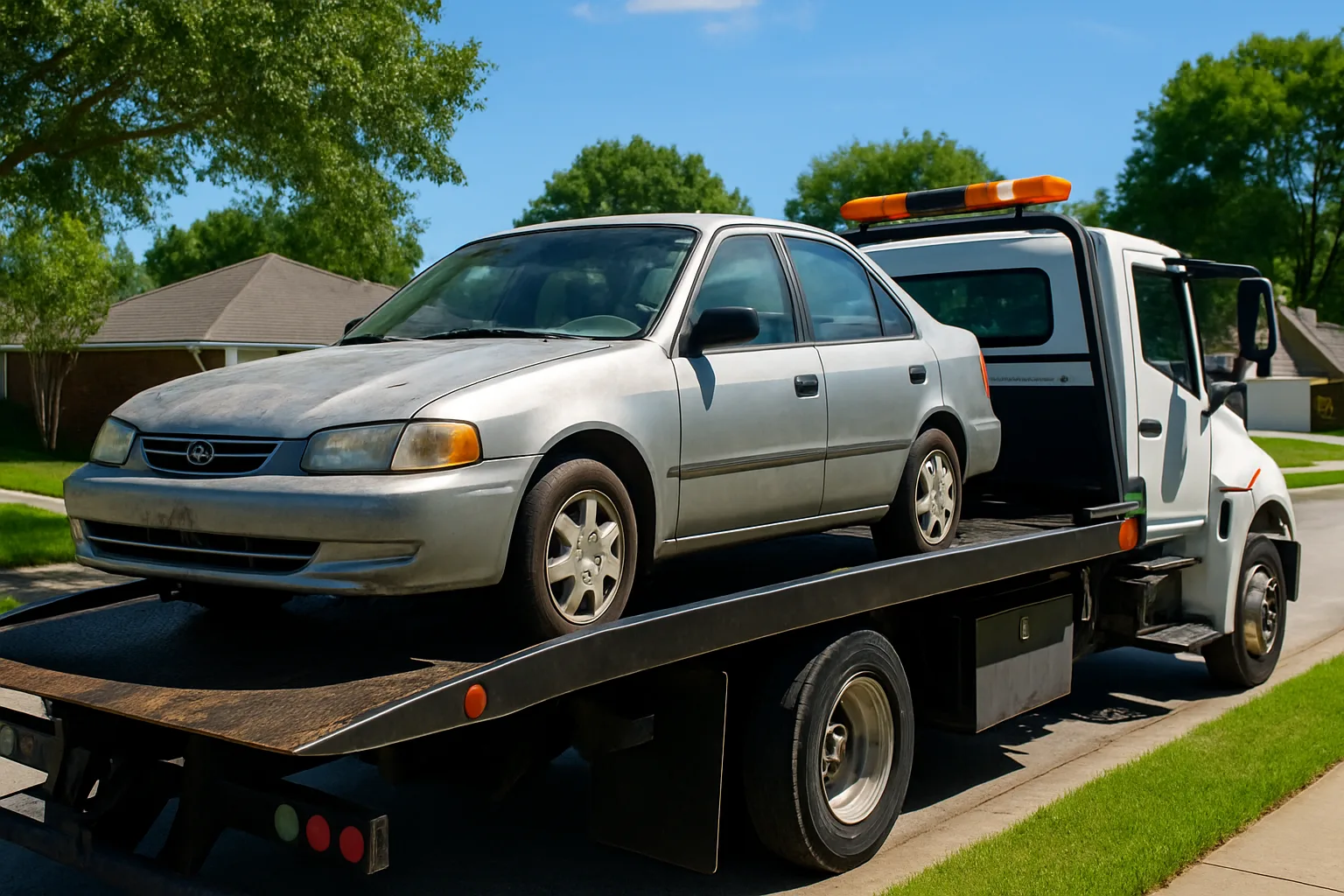
The Paperwork Stack That Could Slow Down Your Scrap Car Sale — And How to Clear It Fast
Most people assume scrapping a car is as simple as handing over the keys and walking away with cash. Then they hit a wall of paperwork questions. If you want to sell my junk car Jacksonville without the runaround, knowing exactly what documents you need — before the tow truck shows up — saves you time, headaches, and potentially hundreds of dollars.
Here's the straight truth: Florida has specific requirements for transferring a vehicle to a salvage yard or auto recycler. Miss a step and you could face delays, lower offers, or worse — ongoing liability for a car you no longer own. This guide covers every document you need, what to do if something's missing, and how platforms like SMASH help buyers and sellers navigate the process with less friction.
The Most Important Document: Your Certificate of Title
The vehicle title is non-negotiable. In Florida, you cannot legally transfer ownership of a vehicle to a junk car buyer, auto recycler, or salvage yard without a clear title. This single document proves you own the car and have the right to sell it. No title, no deal — at least not a straightforward one.
Your Florida title needs to match the vehicle's VIN exactly. If you've owned the car for years, double-check that the name on the title matches your current legal name, especially after a marriage or legal name change. Discrepancies here can hold up the sale even when everything else is in order.
- Clean title: No liens, no disputes — the easiest path to a fast sale.
- Lien on the title: You'll need a lien release letter from your lender before transferring ownership.
- Lost title: Apply for a duplicate through the Florida Department of Highway Safety and Motor Vehicles (FLHSMV). Processing can take 7–14 days, so do this early.
- Title in a deceased person's name: You'll need probate documentation or a small estate affidavit depending on the estate value.
One thing Jacksonville-area sellers often overlook: Florida titles have a specific assignment section on the back. You'll need to sign this section, fill in the buyer's information, and record the odometer reading. Leaving any field blank can invalidate the transfer. Take five minutes to read the back of your title before the pickup appointment.
Your Government-Issued ID and What Else Buyers Need From You
Beyond the title, every legitimate junk car buyer in Jacksonville will ask to see a valid, government-issued photo ID. This is a legal requirement under Florida salvage regulations — auto recyclers must verify the seller's identity and keep records on file. Your driver's license, state ID, or passport all work.
If you're selling on behalf of someone else — a spouse, a parent, or a business — you'll need additional documentation. A notarized power of attorney is typically required to authorize the transaction. Don't try to shortcut this. Florida salvage yards and recyclers that operate legally won't process a sale without proper authorization, and for good reason.
Additional documents that may be requested depending on the buyer and situation:
- Vehicle registration (helpful but not always required if the title is clean)
- Proof of insurance cancellation (some buyers request this to confirm you've notified your insurer)
- Bill of sale (some recyclers provide their own; others may ask you to bring one)
- Lien release letter (if there's an outstanding loan on the vehicle)
The simpler your paperwork, the faster the transaction. When you sell your scrap car for fair pricing, having all documents ready means the tow truck shows up, the car leaves, and you get paid — no back-and-forth, no waiting on missing forms.
What Happens to High-Value Parts Like Catalytic Converters
This is where paperwork gets more detailed — and where sellers leave real money on the table. Florida law requires salvage yards and metal recyclers to document the purchase of catalytic converters separately. Sellers must provide ID, and the recycler must log the transaction with the vehicle's VIN and the seller's information. This crackdown on catalytic converter theft has tightened requirements across the state.
Why does this matter to you? Because if your end-of-life vehicle still has its catalytic converter intact, it can meaningfully affect the value of your load. Cats contain platinum, palladium, and rhodium — metals that fluctuate in value but consistently represent one of the highest-value components in a scrap vehicle. A catalytic converter auction format, like what SMASH facilitates for commercial recyclers, generates competitive bids rather than a single lowball offer.
For individual sellers scrapping one car in Jacksonville, the key is this: don't let a buyer strip your cat before completing paperwork, and don't accept a verbal estimate that suddenly drops once the vehicle is picked up. Get the offer in writing. Document the car's condition, including whether the catalytic converter is present, with photos before pickup. Platforms built for transparency — like SMASH — use photo documentation and serial tracking to protect both sides of the transaction. That same discipline applies when you're selling one car privately.
Selling Without a Title in Florida — Your Real Options
Losing a title is common. Cars sit in driveways for years, paperwork gets misplaced, and suddenly you're trying to sell scrap car in Florida with nothing to show for ownership except the keys. Here's what you can actually do.
The fastest legal path is a duplicate title application through FLHSMV. You can apply online, by mail, or in person at a Jacksonville-area tax collector office. The fee is modest — under $80 in most cases — and processing typically takes one to two weeks. If you need to move faster, some offices offer expedited service.
If the car is very old and was never titled in Florida (common with vintage vehicles or cars brought in from other states), the process is more involved. You may need to pursue a bonded title or a court-ordered title, which can take months. For most scrap vehicles, the duplicate title route is the right call.
Some buyers advertise that they'll purchase cars without a title. Proceed with extreme caution. In Florida, selling a vehicle without proper title transfer can expose you to liability if the vehicle is later involved in an accident, abandoned, or used in a crime. The paperwork protection isn't just for the buyer — it protects you.
How to Prepare for Free Junk Car Removal Without the Stress
Free towing is one of the biggest advantages when you schedule a free scrap car pickup through a reputable service. But "free towing" only works smoothly when the paperwork is ready on the day of pickup. If the tow driver arrives and something is missing, the pickup gets rescheduled — and you lose a day.
Here's the pre-pickup checklist every Jacksonville seller should run through:
- Locate your title — If you can't find it, start the duplicate title process immediately.
- Check the title for liens — If there's a lender listed, contact them and request a lien release.
- Sign the title correctly — Fill in the odometer reading, sign the seller section, and don't leave fields blank.
- Have your photo ID ready — Government-issued, current, and matching the name on the title.
- Remove personal belongings — Check the trunk, under seats, and in door pockets.
- Remove your license plates — In Florida, plates belong to the owner, not the vehicle. Return them to the tax collector or transfer them to another vehicle.
- Cancel your insurance — Don't keep paying for a car you no longer own.
- Photograph the vehicle — Document its condition, including all four corners and the VIN plate, before it's towed.
That last step — photographing the car — is something professional recyclers do as a matter of course. When you schedule a free scrap car pickup, a documented handoff protects everyone. If a dispute ever arises about the vehicle's condition or what was included in the sale, those photos are your evidence.
For Jacksonville residents, local Jacksonville scrap metal services are familiar with Florida's specific documentation requirements. Working with a local provider means you're dealing with buyers who understand state salvage laws, not out-of-state operators who may create problems at the transfer stage.
Getting Paid: What Fair Pricing Actually Looks Like
Once your paperwork is squared away, the next concern is money. Scrap car pricing in 2026 is tied to steel and non-ferrous metal markets, which fluctuate based on manufacturing demand, trade conditions, and commodity cycles. A vehicle's value at scrap is primarily its weight in steel, plus the value of recoverable parts — catalytic converter, copper wiring, aluminum components, and usable mechanical parts if the car has low miles.
The average end-of-life passenger car weighs between 2,800 and 4,000 pounds. At current scrap steel rates, a typical vehicle generates a base price that varies by market conditions. That's before accounting for high-value components. If you're getting a quote that feels low, ask the buyer to break down how they're valuing the vehicle.
The biggest driver of price variation is competition. One buyer, one phone call, one offer — that's a guessing game that almost always favors the buyer. More buyers competing for your load means better price discovery. That's the foundation of how SMASH operates for commercial recyclers, and the same logic applies when you're evaluating offers on a single junk car. Don't accept the first number. Get at least two to three quotes before committing.
To read scrap car selling guides that cover pricing strategy in more detail, the sell-myscrapcar.com blog breaks down what moves scrap car values and how to position your vehicle for the best outcome.
If you're ready to move forward, the process is simpler than most people expect: paperwork in hand, car photographed, plates removed — and then you're done. Sell your scrap car today and get a free, no-obligation quote at sell-myscrapcar.com. Free towing, fair pricing, and a clean title transfer handled correctly from the start.
Frequently Asked Questions
Q: Can I sell my junk car in Jacksonville without a title?
Florida law requires a title to legally transfer vehicle ownership to a salvage yard or auto recycler. If you've lost yours, apply for a duplicate title through the FLHSMV or at a Jacksonville-area tax collector office. The process typically takes one to two weeks and costs under $80.
Q: What happens to my license plates when I scrap my car in Florida?
In Florida, license plates stay with the owner, not the vehicle. Remove your plates before the tow truck arrives. You can return them to a local tax collector office or transfer them to another vehicle you own.
Q: How do I sell my car fast in Jacksonville if there's a lien on the title?
Contact your lender and request a lien release letter. Once the loan is paid off, lenders are legally required to release the lien. Some lenders process this within a few days; others may take two to four weeks. You'll need this release before completing the title transfer to a buyer.
Q: Do I need to cancel my insurance before scrapping my car?
Yes — once the vehicle is transferred, cancel your policy to stop paying premiums. Notify your insurer on or shortly after the pickup date. In Florida, you should also remove your plates before cancellation to avoid any registration complications.
Q: How is a catalytic converter handled when I sell scrap car in Florida?
Florida law requires salvage yards and metal recyclers to separately document catalytic converter purchases, including recording the seller's ID and the vehicle's VIN. Make sure your cat is accounted for in your quote — it's one of the highest-value components on any end-of-life vehicle and should be reflected in your offer.
Stay current on scrap metal market trends and pricing insights by following SMASH on LinkedIn — real industry updates, no filler.
```