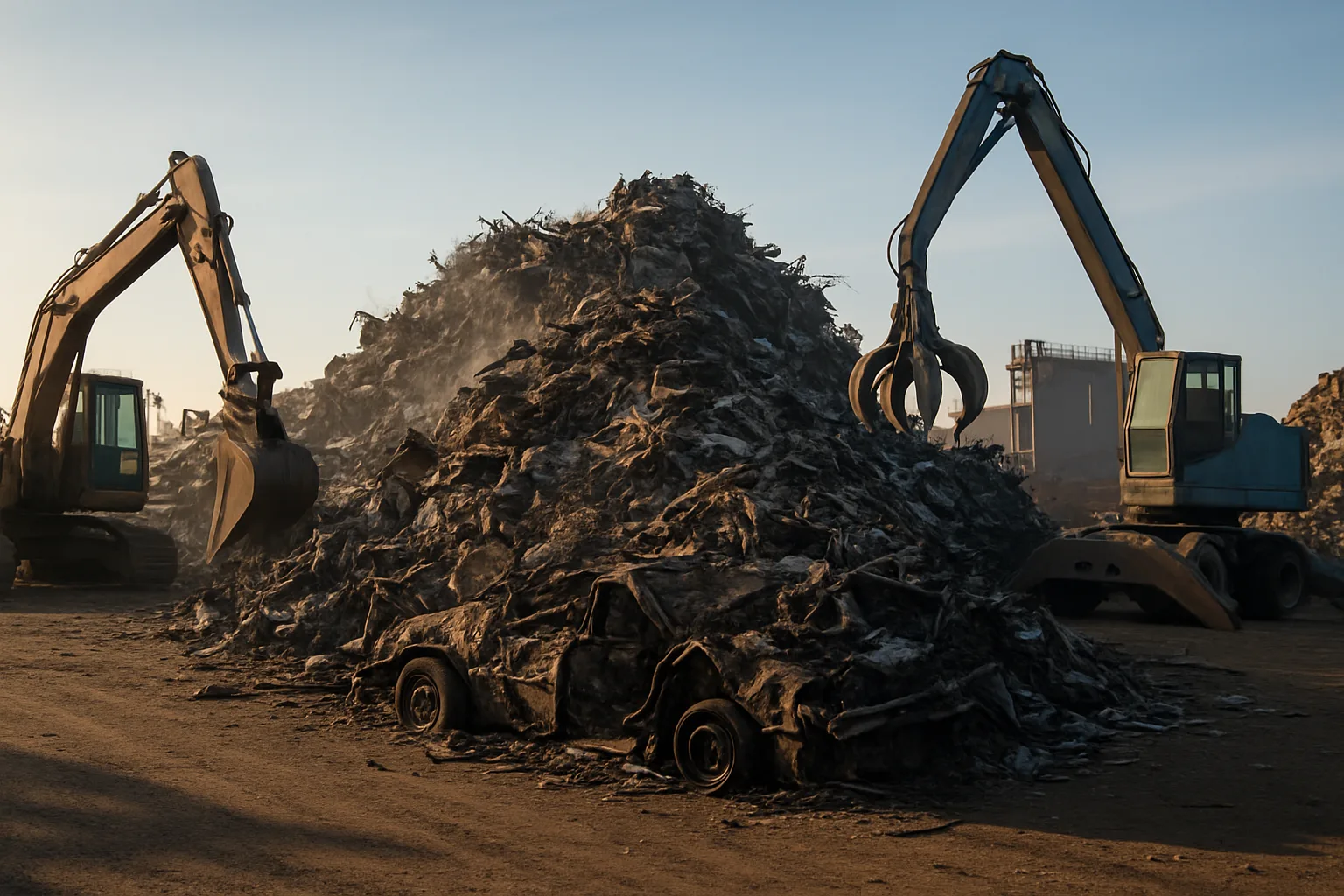
A flood or fire doesn't just wreck a car — it turns it into a liability sitting in your driveway. If you're dealing with a damaged vehicle in Boston or anywhere across Massachusetts, you're probably wondering what it's actually worth and whether anyone will even take it. The short answer: yes, someone will. The longer answer is what this guide is about.
Whether your car got swallowed by a storm surge, caught fire in a garage, or sat underwater after a nor'easter flooded your street, you still have options. Flood-damaged and fire-damaged vehicles have real scrap value — metal, parts, and components that recyclers and salvage buyers want. But knowing how to maximize that value is the difference between getting a fair payout and leaving money on the table.
This is your practical breakdown: what flood and fire damage actually does to scrap value, how the two compare, and how to get the most cash when you're ready to move on. If you're searching for junk car removal Boston, keep reading — this covers everything you need to know before you make a call.
Flood Damage vs. Fire Damage: What Actually Gets Destroyed
Not all damage is equal when it comes to scrap value. Understanding what flood versus fire actually destroys helps you set realistic expectations — and helps you negotiate from a position of knowledge instead of desperation.
Flood-damaged vehicles typically suffer the most harm to electronics, upholstery, and the drivetrain. Water infiltrates the ECU (engine control unit), shorts out wiring harnesses, corrodes brake lines, and destroys interior components. However — and this matters — the structural steel, the catalytic converter, most of the engine block, and the aluminum components often survive intact. Flood cars can look terrible and still have meaningful scrap weight and recyclable parts.
Fire-damaged vehicles are a different story. High heat warps metal, destroys rubber and plastic components, and can compromise the structural integrity of the frame. However, fire damage is often localized — an engine fire, for example, may leave the rear of the vehicle largely untouched. Key components to check:
- Catalytic converter: If the exhaust system survived the fire, your catalytic converter may still hold significant value. It contains platinum, palladium, and rhodium — precious metals that don't just disappear in most car fires.
- Steel and aluminum: Even warped structural steel has scrap value. Auto recyclers weigh and price it accordingly.
- Wheels and rims: Alloy wheels that survived a fire can still be resold or scrapped.
- Engine block components: Cast iron and aluminum engine parts retain scrap metal value even after fire exposure.
The bottom line: both types of damage leave behind salvageable material. Your job is to find a buyer who values what's left — not one who lowballs you based on what's gone.
How Scrap Car Value Today Is Calculated for Damaged Vehicles
Here's where a lot of sellers get burned (no pun intended). The scrap value of a damaged vehicle isn't based on what it looked like before the accident. It's based on current metal prices, the weight of recoverable material, and what parts — if any — can be resold before the rest goes to the shredder.
Scrap car value today is driven by a few core factors:
- Curb weight of the vehicle: A full-size truck or SUV, even flood-damaged, carries more scrap metal than a compact sedan. More weight generally means more value at the scale.
- Current steel and aluminum prices: Metal markets fluctuate weekly. What your car was worth three months ago may not reflect what it's worth today.
- Catalytic converter condition: This is often the highest-value single component on a scrap vehicle. Platforms like SMASH have made it easier to document and sell cats separately, getting transparent pricing based on serial numbers and assay data rather than guesswork.
- Extent and location of damage: An engine compartment fire that spared the rest of the car is very different from a total burnout. A flood car with a clean engine block is worth more than one where water sat in the cylinder heads all winter.
- Title status: In Massachusetts, a flood-declared or fire-declared vehicle will typically carry a salvage title. This affects resale potential but doesn't eliminate scrap value.
If you want a ballpark before you call anyone, a scrap car value calculator can give you a starting point — just know the final number depends on a physical assessment and current market rates. Prices fluctuate; always verify current rates before agreeing to a deal.
5 Reasons Flood Cars and Fire Cars Are Still Worth Selling as Scrap
If you're on the fence about whether it's worth the effort to sell a badly damaged vehicle, here's the reality check. Damaged cars have real value — and letting them sit depreciates that value every single month.
- Metal prices don't care about cosmetic damage. A recycler buying your flood car for shredding is buying ferrous and non-ferrous metal. The damp carpet doesn't affect the price per ton of steel.
- The catalytic converter is often intact. Even on severely damaged vehicles, the catalytic converter frequently survives. On some trucks and larger SUVs, a single cat can represent a meaningful portion of total vehicle value. Don't let a buyer lump it into a flat scrap quote without accounting for it separately.
- Holding costs add up fast. In Boston, street parking rules, HOA regulations, and city ordinances can create real headaches for inoperable vehicles. The longer it sits, the more you're dealing with storage costs, registration questions, and potential fines.
- Free towing eliminates the logistics problem. You can't drive a flood car or a fire car to a yard. Reputable scrap car buyers offer schedule a free scrap car pickup — meaning the vehicle gets removed at no cost to you, regardless of condition.
- Insurance payout doesn't replace the scrap value conversation. If your insurer declared the vehicle a total loss, they paid out on the vehicle's ACV (actual cash value) minus your deductible. But the physical vehicle and its components are still yours to sell — and that scrap value is separate from what insurance already paid.
How to Get Fair Value for Junk Car Removal in Boston
Boston's scrap and salvage market is active — there are buyers, but they don't all offer the same thing. The difference between a fair deal and a low offer usually comes down to one word: competition. When a single buyer knows you have no other quotes, they have no incentive to move the number.
This is exactly the problem that SMASH was built to solve. Instead of calling one yard and hoping they're fair, SMASH connects sellers with vetted buyers through a competitive auction format. Multiple buyers see your inventory — including documented photos, VIN lookups, and component details — and compete on price. That competition is what drives better price discovery. You're not guessing; you're letting the market tell you what your vehicle is actually worth today.
For flood and fire vehicles specifically, documentation matters even more. Buyers want to know:
- Is the catalytic converter present and accounted for?
- What's the condition of the engine block?
- Are the wheels and rims intact?
- What's the approximate curb weight?
SMASH's inventory tools — including photo documentation and serial tracking — let you present that information clearly, which gives buyers confidence to bid higher. A well-documented damaged vehicle consistently outperforms a mystery load. To sell your scrap car for fair pricing, preparation and transparency are your two best tools.
For Boston-area sellers, local Boston scrap metal services can handle pickup logistics even for non-running, heavily damaged vehicles — no flatbed rental required on your end.
What to Do Before You Sell a Flood or Fire-Damaged Car
A little preparation before you call a buyer can make a real difference in what you're offered. You don't need to do anything mechanical — you just need to document what you have.
Step-by-step checklist before selling:
- Locate your title. A salvage or rebuilt title is fine. No title can complicate the process depending on your state. Massachusetts has specific rules — check with the RMV if you're unsure.
- Take photos of the damage. Document every angle — front, back, sides, engine bay, undercarriage if accessible. More documentation means more buyer confidence.
- Note the catalytic converter location. Is it still attached? Has it been removed already? Buyers will ask.
- Check for any personal items. Flood and fire damage can make you forget that a glovebox or trunk might still have documents, valuables, or registration paperwork.
- Cancel your insurance and plates. In Massachusetts, you'll want to return your plates to the RMV after the sale to avoid continued insurance charges.
- Get multiple quotes. Don't accept the first number you hear. Use a platform like SMASH or call at least 2-3 buyers before committing.
For deeper guidance on the full process, read scrap car selling guides that walk through every step — from title transfer to getting paid. And if you want to handle pickup and sale in one step, schedule a free scrap car pickup and get the process started today.
Frequently Asked Questions
Q: Can I sell a flood-damaged car with no title in Boston?
In Massachusetts, selling a vehicle without a title is possible in some cases, but it complicates the transaction. Most legitimate scrap buyers prefer a title — even a salvage title — to complete a legal transfer. Contact the Massachusetts RMV to explore options for replacing a lost title before you try to sell.
Q: Does a fire-damaged car still have scrap value?
Yes. Fire damage destroys some components but leaves metal, catalytic converters, wheels, and structural parts with real recoverable value. The extent of the fire and which parts survived will determine the final quote. Always document what's intact before calling a buyer.
Q: How does junk car removal in Boston work for non-running vehicles?
Reputable buyers offer free towing for non-running, flood, or fire-damaged vehicles. A flatbed or tow truck comes to your location — driveway, street, or storage lot — loads the vehicle, and hauls it away at no cost to you. You get paid at pickup or via direct transfer, depending on the buyer.
Q: What is my scrap car worth today if it was declared a total loss?
Insurance total-loss payout and scrap value are separate numbers. Your insurer paid based on pre-damage market value. The remaining scrap value is based on current metal prices, weight, and recoverable parts — especially the catalytic converter. Prices fluctuate, so check current rates and get multiple quotes for the most accurate number.
Q: Should I remove the catalytic converter before selling my junk car?
This depends on your situation and local regulations. In some states, removing a catalytic converter from a vehicle you own is legal — but selling a loose cat requires documentation to comply with anti-theft laws. Check Massachusetts regulations before removing it. In many cases, a buyer like SMASH can help you get accurate value for the cat as part of the overall transaction.
If you've got a flood-damaged or fire-damaged vehicle taking up space, the smartest move is to act sooner rather than later. Metal prices shift, components degrade further with time, and the longer it sits, the less leverage you have. Sell your scrap car today — get a free quote at sell-myscrapcar.com and find out what your damaged vehicle is actually worth in today's market.
Stay on top of scrap metal market trends and industry updates — follow SMASH on LinkedIn for insights that help you sell smarter.
```