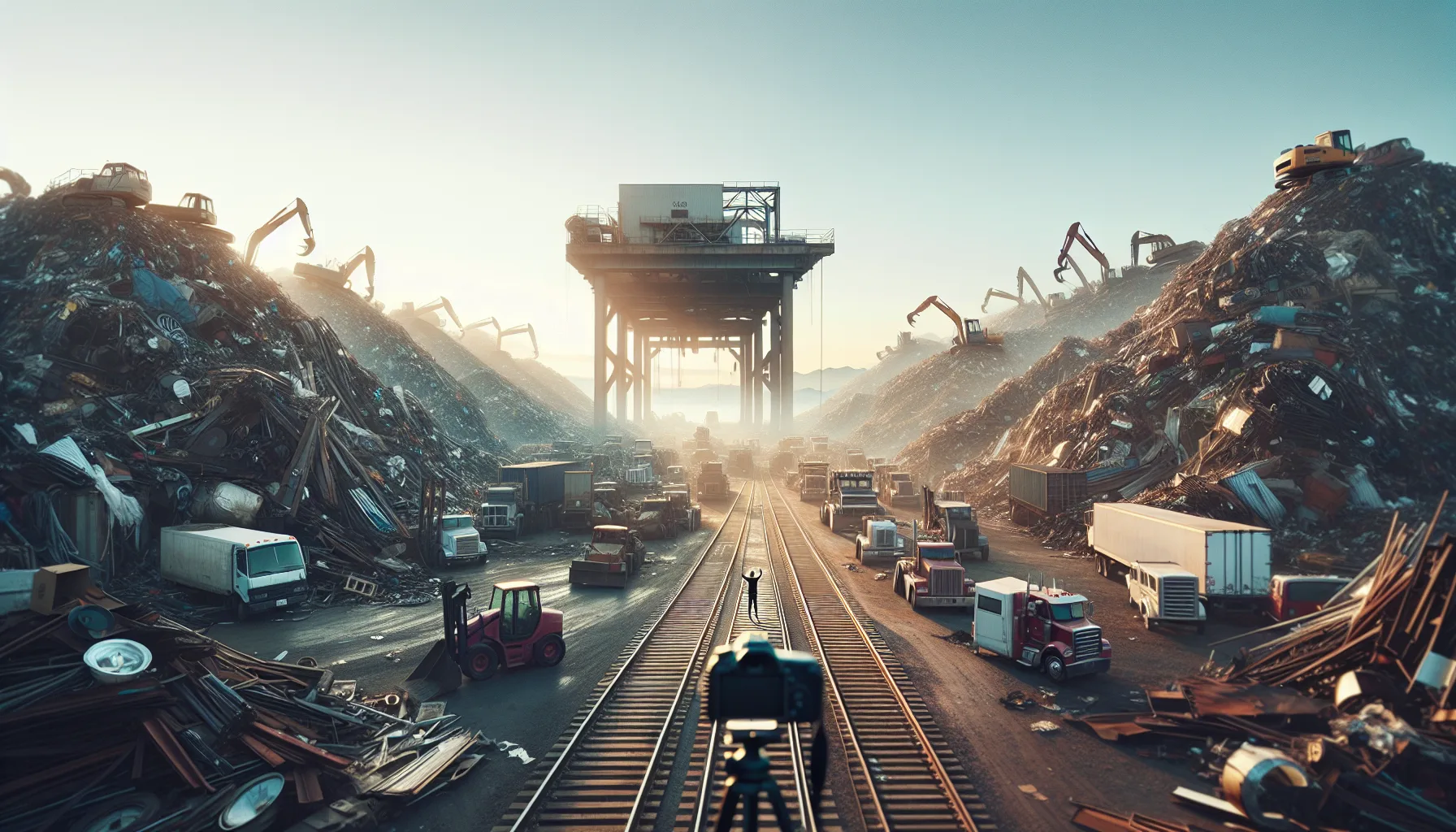
Your old car sits in the driveway, taking up space and gathering dust. You've decided it's time to let it go, but where exactly should you take it? The terms "junkyard," "salvage yard," and "auto recycler" get thrown around interchangeably, yet they represent distinctly different business models that can dramatically impact your scrap car value today. Understanding these differences could mean the difference between getting $200 or $800 for the same vehicle.
The automotive end-of-life industry has evolved significantly over the past decade. What once was a straightforward "junkyard" model has transformed into a sophisticated network of specialized facilities, each serving different purposes and offering varying compensation structures. For vehicle owners in San Diego and throughout California, knowing which type of facility best matches your needs can maximize both your payout and convenience.
Traditional Junkyards: The Original Car Graveyard
Traditional junkyards operate on the simplest business model in the automotive disposal industry. These facilities primarily purchase vehicles for their scrap metal value, crushing most cars within weeks of acquisition. The focus remains on tonnage rather than parts recovery, making them the most straightforward option for vehicles with minimal salvageable components.
Most junkyards calculate offers based on current scrap metal prices multiplied by your vehicle's approximate weight. A typical sedan weighs around 3,000 pounds, while larger SUVs and trucks can reach 5,000-6,000 pounds. With scrap steel prices fluctuating between $150-$250 per ton in 2026, you can estimate potential payouts, though junkyards typically offer 60-80% of raw scrap value to cover operational costs.
The advantage of junkyards lies in their speed and simplicity. Most facilities can provide instant quotes over the phone and arrange same-day pickup. However, this convenience comes at a cost. Junkyards rarely maximize value by harvesting usable parts, meaning you might miss out on hundreds of dollars if your vehicle contains valuable components like a functioning engine, transmission, or catalytic converter.
For vehicles that are completely beyond repair—those involved in severe accidents, flood damage, or extensive fire damage—junkyards often represent the most practical solution. They accept vehicles in any condition and handle all the paperwork associated with title transfers and disposal documentation.
Salvage Yards: Parts-Focused Operations
Salvage yards represent the middle ground between simple scrap processing and comprehensive auto recycling. These facilities primarily focus on harvesting and reselling usable automotive parts, making them ideal for vehicles that still contain valuable components despite being non-operational overall.
The business model centers on part inventory management and retail sales to repair shops, mechanics, and individual consumers. When you sell your scrap car for fair pricing to a salvage yard, they evaluate each major component separately. Engines, transmissions, doors, bumpers, electronic modules, and even interior components get assessed for resale potential.
This approach can significantly increase your vehicle's value compared to straight scrap pricing. A functional engine from a popular vehicle model might be worth $1,500-$3,000 on the used parts market, while a damaged transmission could still fetch $200-$500 for rebuilding purposes. Salvage yards in San Diego often specialize in specific vehicle types—some focus on domestic trucks, others on import sedans, and some specialize in luxury or exotic vehicles.
The evaluation process takes longer than junkyard assessments. Salvage yards need to test major components, research part demand, and calculate storage costs before making offers. This thorough evaluation typically requires bringing the vehicle to their facility rather than relying on phone descriptions, but the potential for higher payouts makes this extra effort worthwhile for many sellers.
Auto Recyclers: The Modern Sustainable Solution
Auto recyclers represent the most sophisticated and environmentally responsible segment of the end-of-life vehicle industry. These facilities combine parts harvesting with comprehensive material recovery, maximizing both economic value and environmental benefits. The distinction between salvage yards and auto recyclers often blurs, but true recyclers implement systematic processes for fluid recovery, material separation, and hazardous waste management.
Modern auto recycling facilities use computer-based inventory systems to track parts demand and pricing trends. When evaluating your vehicle, they consider current market conditions for specific components, seasonal demand fluctuations, and regional preferences. For example, air conditioning components command premium prices during summer months in California, while 4WD components see increased demand during winter seasons in mountain regions.
The recycling process begins with fluid drainage—engine oil, transmission fluid, coolant, brake fluid, and refrigerants get collected and processed according to environmental regulations. Next comes parts harvesting, where technicians systematically remove components based on market demand and condition assessments. Finally, the remaining shell undergoes material separation, with different metals sorted for specialized recycling processes.
Auto recyclers often provide the highest compensation for end-of-life vehicles because they maximize revenue streams from every component. However, they also have stricter requirements for vehicle acceptance. Cars missing major components, extensively damaged vehicles, or those with contamination issues might not qualify for their programs. This selectivity means auto recyclers typically offer the best deals for relatively complete vehicles with minimal damage.
Comparing Value Propositions and Services
The financial differences between these facility types can be substantial. A 2018 Honda Accord with a blown engine might fetch $300-$500 at a traditional junkyard, $600-$1,200 at a salvage yard, and $800-$1,500 at a comprehensive auto recycling facility. The variation depends on which components retain value and how effectively each facility type can monetize those components.
Service offerings also differ significantly. Junkyards typically provide basic free towing within limited geographic areas, usually 10-20 miles from their facilities. Salvage yards might extend towing ranges to 30-50 miles and offer more flexible scheduling. Auto recyclers often provide the most comprehensive services, including wide-area pickup, temporary storage for customers who need time to remove personal items, and detailed documentation for tax purposes.
Processing timelines vary considerably. Junkyards might crush your vehicle within days of pickup, making it impossible to retrieve forgotten items. Salvage yards typically maintain vehicles for 30-90 days while harvesting parts, providing a window for item recovery. Auto recyclers often extend this timeline to 6 months or more, systematically processing vehicles as market conditions and part demand fluctuate.
Geographic coverage represents another key difference. Traditional junkyards operate locally, serving customers within driving distance of their facilities. Salvage yards might have regional networks but still focus on local markets. Auto recyclers increasingly operate through national networks, with platforms like SMASH connecting sellers to facilities across multiple states, ensuring competitive pricing regardless of location.
Choosing the Right Facility for Your Situation
Vehicle condition should guide your facility selection. Cars with major accident damage, fire damage, or flood contamination typically work best with junkyards that accept vehicles regardless of condition. Vehicles with mechanical failures but intact bodies and interiors often get better valuations from salvage yards focused on parts harvesting.
For cars with complete drivetrains despite other issues, auto recyclers usually provide maximum value. These facilities can properly test and certify major components, commanding premium prices from customers seeking reliable used parts. The investment in comprehensive evaluation typically pays off through higher offers to vehicle sellers.
Timeline requirements also influence the best choice. If you need immediate cash and vehicle removal, junkyards offer the fastest transactions. Salvage yards might require 1-3 days for evaluation and pickup scheduling. Auto recyclers could need up to a week for comprehensive assessment, especially for unusual or high-value vehicles requiring specialized evaluation.
Geographic location plays a crucial role in facility selection. San Diego vehicle owners have access to all three facility types within reasonable distances, but rural areas might only have traditional junkyards available locally. When you schedule a free scrap car pickup through comprehensive platforms, you gain access to multiple facility types regardless of your location.
Understanding current market conditions helps optimize facility selection. During periods of high scrap metal prices, the gap between junkyard and recycler offers narrows. When used parts demand peaks—typically during economic downturns when consumers defer new vehicle purchases—salvage yards and recyclers can offer significantly more than scrap-only facilities.
The Role of Digital Platforms in Modern Vehicle Disposal
Digital platforms have revolutionized how vehicle owners connect with disposal facilities. Instead of calling individual junkyards or driving from lot to lot seeking quotes, modern services provide access to multiple facility types through single applications. SMASH represents this evolution, connecting vehicle sellers with junkyards, salvage yards, and auto recyclers through streamlined digital processes.
These platforms solve several traditional problems in vehicle disposal. Geographic limitations disappear when digital networks connect sellers to facilities hundreds of miles away. Price comparison becomes automatic rather than requiring hours of phone calls. Service reliability improves through platform-managed quality standards and customer feedback systems.
For sellers researching how much is my salvage car worth, digital platforms provide real-time market data rather than static estimates. By connecting to multiple facility types simultaneously, these services ensure competitive pricing regardless of whether your vehicle works best for scrap processing, parts harvesting, or comprehensive recycling.
The transparency of digital platforms benefits both sellers and facilities. Vehicle owners can read scrap car selling guides and access market information that was previously available only to industry insiders. Facilities gain access to broader customer bases without investing in extensive marketing campaigns.
Modern platforms also handle logistics more efficiently than traditional direct-to-facility sales. Coordinated pickup scheduling, standardized documentation, and integrated payment systems reduce friction in transactions that historically involved significant paperwork and coordination challenges.
Frequently Asked Questions
Q: What's the difference between scrap value and salvage value for my car?
Scrap value represents what your vehicle is worth as raw materials—primarily the weight of steel, aluminum, and other metals multiplied by current commodity prices. Salvage value includes the worth of usable parts plus scrap value, typically resulting in higher overall compensation. Most vehicles have salvage value exceeding scrap value unless they're severely damaged or missing major components.
Q: How do I know which type of facility will pay the most for my car in San Diego?
The best approach is getting quotes from multiple facility types. Junkyards work well for severely damaged vehicles, salvage yards excel with mechanically sound but non-running cars, and auto recyclers typically offer top dollar for complete vehicles with valuable components. Digital platforms like SMASH can connect you with all facility types simultaneously for easy comparison.
Q: Do all these facility types offer free towing in California?
Most reputable facilities offer free towing, but coverage areas vary. Junkyards typically tow within 10-20 miles, salvage yards might extend to 30-50 miles, and auto recyclers often provide statewide pickup. Always confirm towing coverage and any associated fees before agreeing to vehicle pickup.
Q: How long does the evaluation and pickup process take with each facility type?
Junkyards usually provide instant phone quotes and same-day pickup. Salvage yards might need 1-3 days for evaluation and scheduling. Auto recyclers could require up to a week for comprehensive assessment of valuable vehicles. However, platforms that connect multiple facilities can often accelerate these timelines through competitive bidding processes.
Q: Can I get current scrap car value estimates without committing to sell?
Yes, most facilities and digital platforms provide free estimates without obligation. However, final offers typically require physical vehicle inspection, as phone descriptions might miss important details affecting value. Getting multiple estimates helps establish realistic expectations for your vehicle's worth in current market conditions.
Understanding the distinctions between junkyards, salvage yards, and auto recyclers empowers you to maximize your vehicle's end-of-life value while choosing services that match your timeline and convenience requirements. Whether your old car heads to a simple scrap processor or a sophisticated recycling facility, knowing your options ensures fair compensation for your automotive asset. If you're ready to discover what your vehicle is truly worth in today's market and need reliable removal service, sell your scrap car today — get a free quote at sell-myscrapcar.com.
For the latest industry insights and get free scrap car pickup across Canada, connect with SMASH on LinkedIn for regular updates on scrap metal market trends and automotive recycling developments at https://www.linkedin.com/company/scrap-metal-auction-sales-hub.