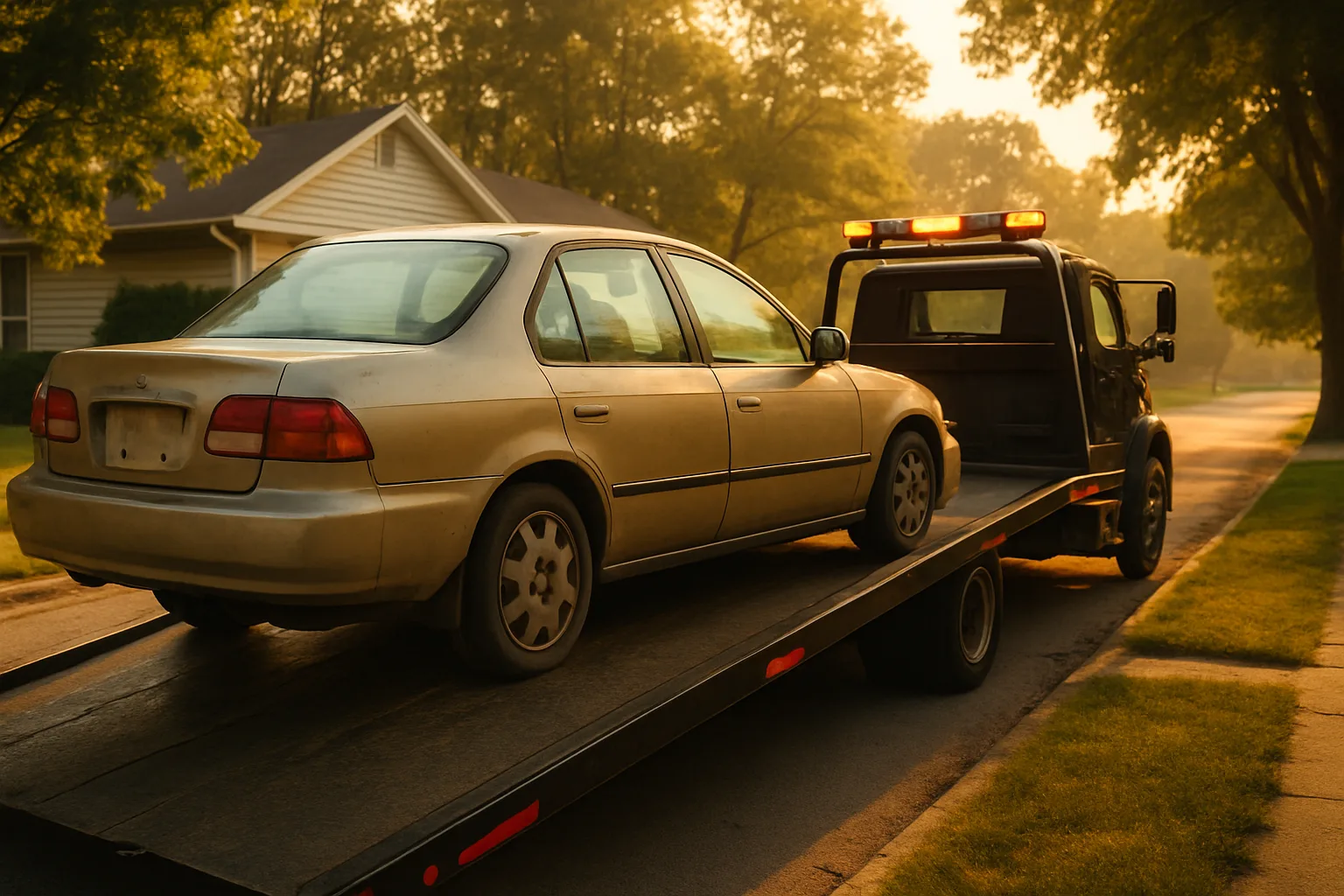
From Your Driveway to the Shredder: What Actually Happens After Your Scrap Car Gets Picked Up
Most people hand over their keys, watch the tow truck pull away, and never think about it again. But if you've ever wondered what happens to your old car after you sell my car fast New York-style — fast pickup, no hassle, cash in hand — the answer is more interesting than you'd expect. Auto recyclers don't just crush cars and call it a day. There's a real process behind it, and understanding it helps you make smarter decisions before you sell.
Whether you're sitting on a rusted-out sedan in the Bronx or a flood-damaged pickup in Queens, here's exactly what happens once your vehicle leaves your property — step by step.
---Step 1: Intake, Inspection, and Cataloging the Vehicle
The moment your car arrives at a recycling yard, it gets logged into inventory. Yard staff record the year, make, model, VIN, and condition. Photos get taken. If the yard uses a platform like SMASH, that documentation gets uploaded digitally — serial numbers, photos, condition notes — so buyers bidding on parts or materials know exactly what they're getting.
This step matters more than most people realize. Documented inventory moves faster and at better prices. A car that shows up with a clear record, even without a title in some cases (more on that below), gives the yard more to work with. Buyers have more confidence when they can see real photos and condition data instead of guessing.
- VIN lookup confirms vehicle history and helps identify high-value components
- Condition photos protect both the yard and the buyer
- Serial tracking keeps parts accountable throughout the recycling chain
Step 2: Fluid Draining and Environmental Compliance
Before anything gets removed or crushed, every vehicle goes through a depollution stage. This is non-negotiable — both legally and environmentally. Recyclers drain and recover all hazardous fluids from the car, including engine oil, transmission fluid, coolant, brake fluid, power steering fluid, and refrigerants from the A/C system.
In New York, environmental regulations around vehicle depollution are strict. Recyclers operating in the state must comply with DEC guidelines for fluid handling and disposal. Cutting corners here isn't just bad practice — it's a liability. Reputable yards in New York and across the country treat this step seriously, and the fluids recovered are often recycled or disposed of through certified channels.
Some fluids, like motor oil, can be re-refined and reused. Others get sent to approved processing facilities. Nothing gets dumped. That's the difference between a licensed auto recycler and an illegal scrap operation.
Step 3: Parts Harvesting — Where the Real Value Lives
This is where things get interesting. Before your car ever sees a crusher, skilled dismantlers go through it for usable parts. Depending on the make, model, and condition of the vehicle, a single car can yield dozens of sellable components.
High-demand parts that get pulled first include:
- Catalytic converters — often one of the highest-value single components, especially on trucks and SUVs
- Engines and transmissions — if they're functional or rebuildable
- Alternators, starters, and batteries
- Doors, hoods, fenders — body panels in good condition
- Wheels, tires, and rims
- Seats and interior components
- ECU and electronic modules
The catalytic converter alone can be worth significant money depending on the platinum group metals inside. Platforms like SMASH help yards get competitive bids on cats and cores by putting them in front of vetted buyers across North America — rather than settling for whatever one local buyer is willing to offer that day. More buyers means better price discovery, plain and simple.
If you're looking to sell your scrap car for fair pricing, knowing that these parts carry real value is important. A good recycler accounts for this when making you an offer — not just the scrap weight of the steel.
Step 4: Non-Ferrous Metal Recovery
After parts are pulled, the vehicle still holds value in its raw materials. Non-ferrous metals — aluminum, copper, brass, and zinc — get separated out because they're worth considerably more per pound than steel.
Aluminum shows up in wheels, engine blocks, transmission housings, and radiators. Copper is in the wiring harness and motors. These materials get sorted, weighed, and sold separately from the bulk steel. A typical passenger car contains anywhere from 200 to 300 pounds of aluminum and several pounds of copper wiring — none of which should end up mixed into a steel bale if the yard is doing it right.
This separation step is where the difference between a sloppy operation and a professional recycler becomes obvious. Good yards maximize recovery. They don't leave money on the table, and that efficiency is part of what lets them pay you more upfront. If you want to schedule a free scrap car pickup and get a fair number, the yard's recovery process directly affects your payout.
Step 5: Hulk Crushing, Shredding, and Steel Recovery
Once everything valuable has been removed, what's left is the steel hulk — the body, frame, and remaining shell. This gets compacted by a car crusher into a dense cube or bale, then sent to a shredder facility.
Shredders are industrial machines that reduce the compressed hulk into fist-sized chunks of steel in seconds. The shredded material then goes through a series of separators — magnetic, eddy current, and air classifiers — to pull out any remaining non-ferrous metals and filter out fluff (foam, plastic, fabric, and glass residue).
What comes out the other end is shredded steel, ready to be sold to steel mills as a raw material for new manufacturing. That steel gets melted down and reused — in new vehicles, appliances, construction materials, and more. A single car generates roughly 1,500 to 2,500 pounds of recyclable steel depending on size and type.
This is the closed-loop reality of auto recycling. The car you drove for a decade doesn't disappear — it comes back as something new.
What Happens If You Don't Have a Title?
This is one of the most common questions from people trying to sell car for scrap no title. The short answer: it depends on the state and the yard, but it's often still possible.
In New York, recyclers are required to follow strict documentation rules to prevent the processing of stolen vehicles. However, there are legal pathways for selling a car without a title — including using a bill of sale, applying for a bonded title, or working with a licensed dismantler who can accept vehicles on an affidavit basis under certain conditions.
Some yards, particularly those familiar with New York State DMV regulations, handle title issues regularly. The key is being upfront about your situation before the tow truck shows up. Don't assume it's a dealbreaker — ask first. And read scrap car selling guides to understand your state's specific requirements before you start the process.
If you're in a different state — say, trying to sort out cash for cars no title Portland OR — the rules will differ. Oregon has its own process for title-exempt scrapping, and recyclers there will walk you through what's required.
Why New York Sellers Should Care About How the Yard Operates
New York is one of the highest-volume scrap markets in the country. The density of vehicles, the volume of end-of-life cars cycling through, and the number of buyers competing for materials all affect what you get paid. That's a good thing — more competition typically means better pricing.
But not every yard in New York operates the same way. Some offer flat, take-it-or-leave-it prices with no transparency. Others use auction-style pricing that surfaces real market value. When you're trying to get cash for junk cars New York, the difference between these two approaches can be significant.
Platforms like SMASH help yards put loads and parts in front of multiple vetted buyers rather than defaulting to whoever answers the phone first. That competition can help reveal the actual market — not just the first number someone throws at you. If you're in the New York area, connecting with New York scrap metal services that use modern pricing tools is worth the extra five minutes of research before you hand over your car.
For more options and regional coverage, you can also explore scrap car removal services at GetMyScrapCar to compare what's available near you.
---Frequently Asked Questions
Q: How long does it take to sell my car fast in New York after I request a pickup?
Most reputable scrap car services in New York can schedule a pickup within 24 to 48 hours. Same-day pickup is available in many parts of the city depending on yard capacity and your location. Have your ID and any available documentation ready to speed up the process.
Q: Can I get cash for junk cars in New York with no title?
In many cases, yes — but it depends on the yard and the specifics of your situation. New York has regulations around scrapping titled vehicles, but some licensed dismantlers can work with a bill of sale, affidavit, or other documentation. Be upfront with the yard before the tow truck is dispatched so there are no surprises.
Q: Does free towing actually mean free, or are there hidden fees?
With a reputable scrap car buyer, free towing means free — no deductions from your payout, no surprise charges on pickup day. Confirm this in writing or on a recorded call before you agree. If a service quotes you one price and then docks the tow fee at pickup, walk away and find another buyer.
Q: How is my scrap car's value calculated?
Scrap car pricing is based on several factors: the current price of scrap steel per ton, the vehicle's weight, the value of recoverable parts (especially cats and non-ferrous metals), and demand in your local market. Prices fluctuate with commodity markets, so a quote you get today may differ from one you get next week. Always check current rates before committing.
Q: What happens to my personal information stored in the car's systems?
Modern vehicles store data in their infotainment systems, GPS units, and ECU modules. Before you hand over your car, do a factory reset on any connected systems and unpair your phone. Remove any garage openers, toll transponders (like E-ZPass), and personal documents from the glove box. The recycler won't do this for you — it's your responsibility before the car leaves your driveway.
---If you've got a car sitting in your driveway that you're done dealing with, now you know exactly where it's going and why it's worth something. The process is clean, legal, and more efficient than most people expect. When you're ready to move forward, sell your scrap car for fair pricing through a service that's transparent about the process and doesn't charge you for the tow. Get a free quote at sell-myscrapcar.com — and stop paying insurance on a car you're never going to drive again.
Stay sharp on scrap metal market trends and industry updates — follow SMASH on LinkedIn for insights that matter to recyclers and sellers across North America.