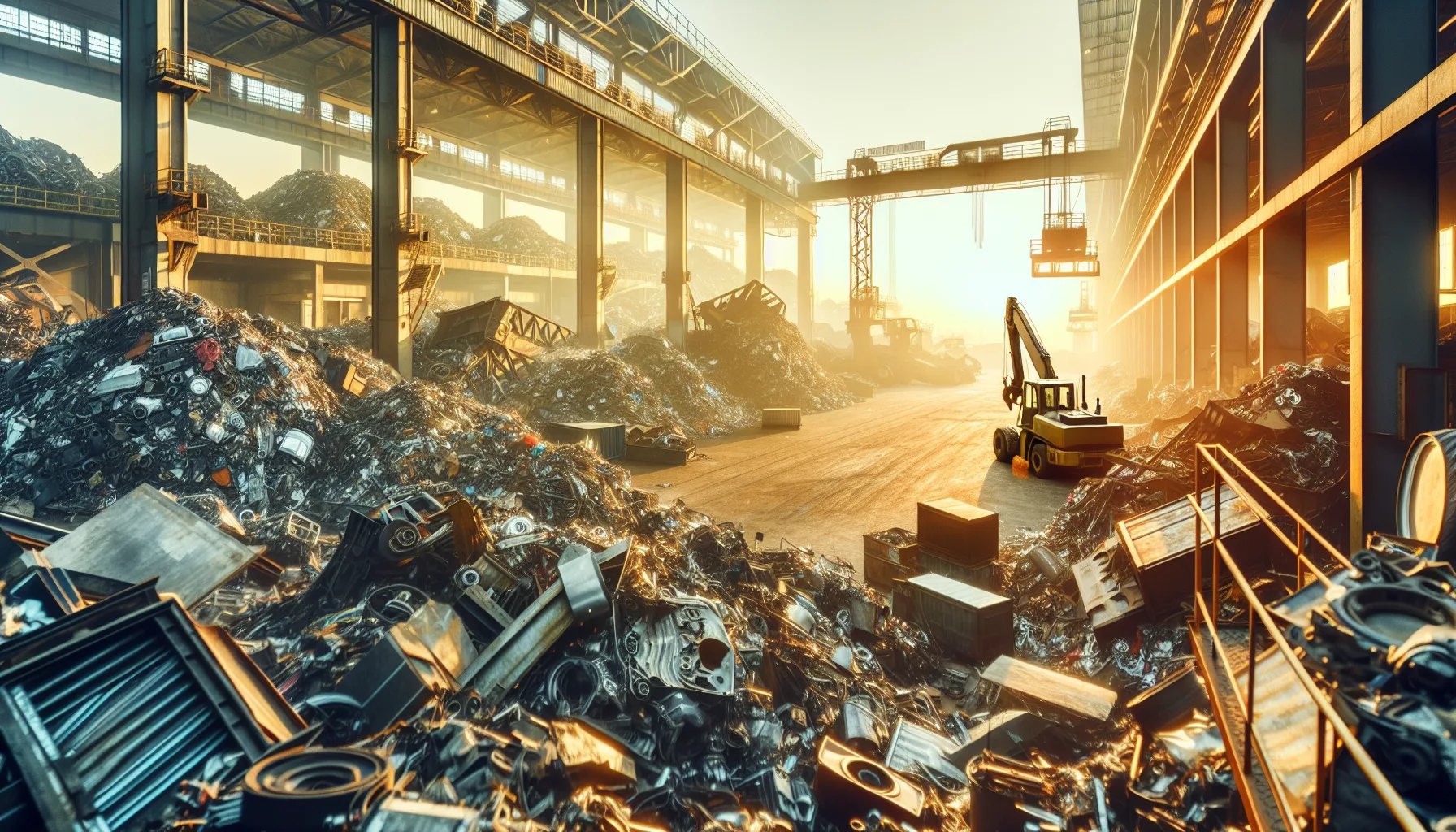
Understanding the Auto Salvage Industry: Key Players and Your Scrap Car Value Today
When you're ready to part with that old vehicle sitting in your driveway, understanding the auto salvage industry landscape helps you maximize your scrap car value today. The terms "junkyard," "salvage yard," and "auto recycler" often get tossed around interchangeably, but each represents a different approach to handling end-of-life vehicles. In Madison, Wisconsin, knowing these differences can mean the difference between getting fair compensation and settling for less than your car is worth.
The auto salvage industry has evolved significantly in 2026, with modern facilities operating more like sophisticated processing centers than the disorganized lots many people imagine. Whether you're looking to sell scrap car Madison residents trust or simply want to understand your options, recognizing these distinctions empowers you to make better decisions about your vehicle's final destination.
Traditional Junkyards: The Original Auto Disposal Method
Traditional junkyards represent the oldest form of automotive waste management. These facilities typically focus on vehicle storage and basic dismantling, often with minimal processing beyond pulling valuable parts. The "junkyard" model usually involves stacking cars in rows with limited organization or environmental controls.
Most junkyards pay based on basic scrap metal weight, rarely considering the value of individual components. They might offer $200-400 per ton for a standard vehicle, depending on current steel prices. However, this approach often undervalues cars with functioning parts or valuable materials like catalytic converters.
In Madison, many traditional junkyards have either modernized their operations or partnered with larger processing networks. The days of cars slowly rusting away in massive piles are largely behind us, thanks to stricter environmental regulations enacted in Wisconsin over the past decade.
Salvage Yards: Part Recovery and Resale Specialists
Salvage yards operate on a different business model entirely. These facilities specialize in systematically dismantling vehicles to recover and resell functional parts. Before crushing the remaining shell, salvage operations remove engines, transmissions, body panels, electronics, and other components that retain value.
This approach typically generates higher returns for vehicle owners. Salvage yards can pay $300-800 for the same vehicle a traditional junkyard might value at $250, because they're capturing value from multiple revenue streams. They sell parts to repair shops, individual mechanics, and DIY enthusiasts while still processing the remaining metal for scrap.
Salvage yards maintain detailed inventory systems, often with online catalogs showcasing available parts. When you sell your scrap car for fair pricing, facilities using this model can offer more accurate valuations because they understand the specific value of your vehicle's components.
Auto Recyclers: The Modern Environmental Solution
Auto recyclers represent the industry's evolution toward comprehensive environmental responsibility. These facilities don't just dismantle cars—they process every component according to strict environmental standards. Fluids get properly drained and recycled, metals get sorted by type and grade, and non-metallic materials like plastics and glass are processed for reuse.
The recycling process maximizes both environmental benefits and financial returns. Auto recyclers typically offer the highest compensation for end-of-life vehicles because they capture value from materials most facilities treat as waste. They understand how current market conditions affect scrap car value today and adjust their pricing accordingly.
Modern auto recyclers in Wisconsin often participate in regional networks that share inventory and pricing data. This connectivity helps them offer competitive rates while ensuring vehicles get processed at the most appropriate facility. Many now use platforms like SMASH to connect with a broader network of buyers and sellers in the B2B scrap metal marketplace.
These facilities also handle the paperwork and regulatory compliance aspects of vehicle disposal. They ensure proper title transfer, notify the Department of Motor Vehicles, and provide documentation showing your vehicle was processed according to environmental regulations.
How Technology Is Transforming the Industry
Digital platforms have revolutionized how the auto salvage industry operates in 2026. The SMASH scrap metal auction system allows facilities to reach buyers across multiple states, increasing competition and driving up prices for vehicle owners. Instead of accepting whatever a local yard offers, sellers can access a network of competing buyers.
Modern auto recyclers use sophisticated software to evaluate vehicles. They consider factors like current metal prices, parts demand, processing costs, and transportation expenses to generate accurate valuations. This technology-driven approach helps ensure you receive fair compensation when you schedule a free scrap car pickup.
GPS tracking and digital documentation have also streamlined the pickup and processing workflow. You can now track your vehicle from pickup through final processing, providing transparency that wasn't available with traditional disposal methods.
Choosing the Right Option for Your Scrap Vehicle
Your vehicle's condition, age, and make largely determine which type of facility offers the best value. Newer vehicles with functioning parts benefit most from salvage yard processing, while older cars with minimal reusable components might be best suited for auto recyclers who can maximize material recovery.
Location matters too. Madison residents have access to several modern auto recycling facilities that offer free towing throughout Wisconsin. The competitive landscape means you're likely to receive better offers than in areas with limited processing options.
Platforms like SMASH make it easy to compare offers from different facility types without visiting multiple locations. You simply provide your vehicle information once and receive bids from junkyards, salvage yards, and auto recyclers in your area. This approach ensures you're getting the best possible return on your scrap vehicle.
When evaluating offers, consider more than just the dollar amount. Free towing, paperwork handling, and same-day pickup all add value to the transaction. Read scrap car selling guides to understand what questions to ask potential buyers and what documentation you'll need.
Environmental considerations increasingly influence facility choice. Auto recyclers typically provide the most comprehensive environmental benefits, properly processing fluids, metals, and other materials according to current regulations. For environmentally conscious vehicle owners, this added value justifies any minor price differences.
You might also want to explore scrap car removal services at GetMyScrapCar to compare regional options and understand current market conditions in your area.
Frequently Asked Questions
Q: How do I know if my car should go to a salvage yard or auto recycler in Madison?
Vehicles with functioning parts or valuable components typically get better offers from salvage yards that can resell those parts. Older cars with minimal reusable parts often receive higher compensation from auto recyclers who maximize material recovery. Most modern facilities evaluate both options and offer whichever generates more value.
Q: What affects scrap car value today in Wisconsin?
Current steel and aluminum prices, your vehicle's weight and condition, local demand for parts, and transportation costs all influence your car's value. Metal prices fluctuate daily, so timing your sale during price peaks can increase your payout by $50-150 on average vehicles.
Q: Do all auto salvage facilities offer free towing for scrap cars?
Most reputable salvage yards, auto recyclers, and modern junkyards include free towing in Wisconsin, especially for vehicles over 3,000 pounds. However, some smaller operations may charge pickup fees, particularly for cars in remote locations or those requiring special handling.
Q: How quickly can I sell my scrap car in Madison?
Most professional auto recyclers and salvage yards can pick up your vehicle within 24-48 hours of accepting their offer. Same-day pickup is often available for standard passenger vehicles, though specialty vehicles or those in difficult locations may require longer scheduling.
Q: Is there a difference in pricing between junkyards, salvage yards, and auto recyclers?
Auto recyclers typically offer the highest compensation because they capture value from multiple material streams. Salvage yards often pay more than traditional junkyards because they resell functional parts. However, pricing varies based on your specific vehicle and current market conditions.
Understanding these industry differences helps you make informed decisions about your vehicle disposal. Whether you choose a traditional junkyard, parts-focused salvage yard, or comprehensive auto recycler, knowing your options ensures you receive fair compensation for your end-of-life vehicle. Sell your scrap car today — get a free quote at sell-myscrapcar.com.