Most people use these three terms like they mean the same thing. They don't. And that confusion costs vehicle owners real money every time they go to sell my junk car Lansing without knowing who they're actually dealing with. If your car is sitting dead in the driveway right now, understanding the difference between a junkyard, a salvage yard, and an auto recycler could mean the difference between getting lowballed and getting a fair price.
This isn't a small distinction. Each type of facility operates with a different business model, different buyers, and a very different approach to pricing your vehicle. Let's break it down plainly so you walk in — or call in — with your eyes open.
---What Is a Junkyard? (And Why It's Not Always Your Best Option)
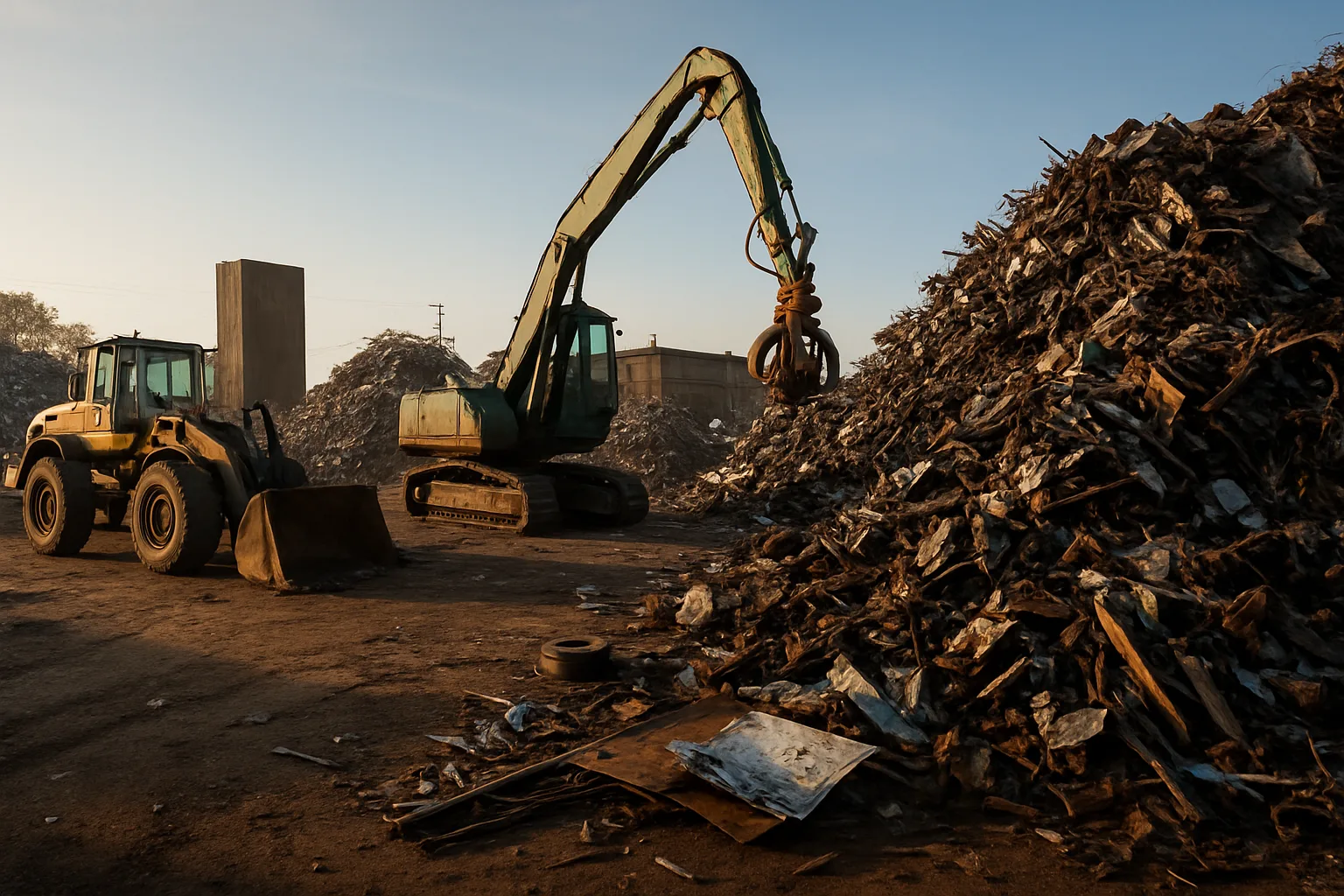
A junkyard is exactly what it sounds like. It's a lot full of old, damaged, and end-of-life vehicles that the facility purchases primarily to sell parts off the shelf. Walk-in customers browse the rows and pull their own parts. The business model is high volume, low individual payout. The yard makes its money on part margins — not on what it pays you upfront.
When you call a junkyard to sell your vehicle, you're typically talking to someone who's already thinking about what they can't use. Flood damage? They'll discount you. Missing catalytic converter? Another deduction. High mileage? Another knock. They're building their offer by subtracting, not by recognizing what your vehicle is actually worth as a whole or for scrap weight.
That said, junkyards do serve a real purpose. If your car is extremely high mileage, heavily damaged, or missing major components, a junkyard may be your fastest option for same-day removal. The trade-off is price. Don't expect top dollar — expect speed and simplicity.
- Business model: pull-your-own-parts retail
- What they pay for: parts they can resell individually
- Best for: cars with little remaining value beyond basic parts
- Typical offer style: flat cash, low negotiation
What Is a Salvage Yard — and How Does It Differ When You Sell My Car Fast Lansing?
A salvage yard overlaps with a junkyard in some ways, but the key difference is how it handles usable vehicles. Salvage yards are more likely to purchase vehicles that still have significant working components — engines, transmissions, body panels, electronics. They often dismantle vehicles themselves rather than letting customers pull parts. This means they can price things more accurately and sell to a wider range of buyers, including body shops, mechanics, and online parts marketplaces.
If you're trying to sell my car fast Lansing, a salvage yard will likely give you a higher quote than a basic junkyard — but only if your car has identifiable working parts. The offer still gets built on a parts inventory assessment. They'll run your VIN, check the model's parts demand, and factor in regional market data before making an offer.
Here's where it gets interesting for sellers: salvage yards in Michigan operate under specific state licensing and environmental compliance requirements. Michigan law requires these facilities to maintain records, properly drain fluids, and document vehicle origins. That's actually good news for you as a seller. It means there's accountability — and it reduces the chance of your vehicle being tied to anything sketchy down the road.
What salvage yards are not great at is transparency. You often get one number with little explanation of how they arrived at it. There's no competitive pressure pushing that number up. One yard, one offer. Take it or leave it.
- Business model: dismantling + parts resale to trade buyers
- What they pay for: working components and metal weight
- Best for: newer vehicles with usable parts
- Offer style: VIN-based, parts-driven assessment
Auto Recyclers: The Highest Standard in End-of-Life Vehicle Processing
An auto recycler is the most comprehensive category. These facilities are licensed to handle the full end-of-life vehicle process — from fluid removal and hazardous material disposal to shredding and selling processed scrap metal to mills. They operate under stricter environmental standards than a standard junkyard and often have certified staff handling depollution before any metal gets crushed or shredded.
Auto recyclers work at scale. They're processing dozens or hundreds of vehicles per week. That volume gives them better relationships with scrap metal buyers, mills, and commodity markets. When you sell scrap car in Michigan through a legitimate auto recycler, you're dealing with a business that actually understands the current value of your vehicle's steel, aluminum, copper, and catalytic converter.
The challenge? Like salvage yards, most auto recyclers still rely on a single-buyer dynamic. You call them, they make an offer, and there's no mechanism pushing that offer to reflect true market value. Unless you're calling five different recyclers and comparing quotes — which almost nobody does — you're still leaving money on the table.
This is exactly why platforms like SMASH exist. Sell your scrap car for fair pricing through a competitive process where vetted buyers actually bid against each other. That's price discovery. That's what competition does to an offer.
- Business model: full vehicle processing + scrap commodity sales
- What they pay for: scrap metal weight, fluid recovery, parts value
- Best for: any end-of-life vehicle, regardless of condition
- Offer style: commodity-driven, but still typically single-buyer
The Real Problem: One Buyer, One Price, No Competition
Here's the core issue whether you're dealing with a junkyard in Lansing, a salvage yard in Grand Rapids, or an auto recycler downstate. The problem isn't which type of facility you call. The problem is that you only call one of them. And the person on the other end of the phone knows it.
They're trained to make an offer that sounds reasonable but sits below what competition would produce. There's no pressure on them to sharpen their number. They've bought from hundreds of sellers who accepted the first offer. Why would they volunteer more?
The old way — one phone call, one buyer, hope it's fair — is broken. Not because every yard is dishonest. Most aren't. But because without competition, there's no mechanism to reveal what your vehicle is actually worth in the current market. Scrap steel prices shift weekly. Catalytic converter values swing with platinum group metal spot prices. A car that was worth $350 three months ago might fetch $480 today. A single buyer isn't going to tell you that.
That's where SMASH, the scrap metal auction platform, changes the dynamic entirely. Multiple vetted buyers see your vehicle's details — photos, VIN data, condition notes — and they compete. That competition is what produces a real market price instead of a guess. You can read scrap car selling guides to understand exactly how this process works before you list your first vehicle.
---What Michigan Sellers Should Know Before Choosing Where to Sell
If you're in Lansing or anywhere in Michigan looking to offload an end-of-life vehicle, a few things are worth knowing before you pick up the phone.
Title matters — but it's not always a dealbreaker. Michigan requires a title transfer for most vehicle sales, but some buyers will work with you if you have a bill of sale, registration, or other documentation. If you're searching for cash for cars no title near me, be upfront about your situation. Reputable recyclers and platforms will tell you exactly what they need. Avoid anyone who tells you documentation doesn't matter at all — that's a red flag.
Free towing is standard from legitimate buyers. If a buyer in Michigan is asking you to pay for pickup on a scrap vehicle, that's below industry standard. Most junk car buyers — yards, recyclers, and platform-connected buyers — offer free towing as part of the deal. Don't pay to give your car away.
Same-day or next-day pickup is realistic. In a market like Lansing, with multiple licensed recyclers and a network of buyers, you shouldn't be waiting more than 24-48 hours for removal. If a buyer is quoting you a week out, shop around.
Condition disclosure matters for your offer. Be straight about the car's condition. Missing cats, flood damage, fire damage, stripped interiors — these all affect value. Disclose them upfront and get an accurate offer rather than a revised (lower) one when the tow truck shows up.
You can free junk car removal from GetMyScrapCar to get a fast, no-hassle pickup option if you need the car gone quickly.
---Which Type of Buyer Is Right for Your Vehicle?
There's no single right answer. It depends on your car's condition, your timeline, and how much effort you want to put into the process. Here's a quick breakdown to help you decide:
- Severely damaged or stripped vehicle → Junkyard or scrap-focused auto recycler. Fast, simple, cash in hand.
- Running or recently stopped running vehicle with good parts → Salvage yard or competitive auction platform. More time, more return.
- High-value vehicle you want properly priced → Auction platform like SMASH. Vetted buyers, competitive bids, transparent process.
- No title, unusual situation → Call multiple buyers, be transparent, and work with whoever handles documentation clearly and professionally.
The bottom line is this: the type of facility matters less than the process. A competitive auction process — where multiple buyers see your vehicle and bid — will almost always outperform a single phone call to any facility, regardless of whether they call themselves a junkyard, salvage yard, or recycler.
If you're ready to stop guessing and start with a real market price, schedule a free scrap car pickup and find out what your vehicle is actually worth today.
---Frequently Asked Questions
Q: What's the difference between a junkyard and a salvage yard when I want to sell my junk car in Lansing?
A junkyard primarily sells individual parts to walk-in customers and typically pays less for your vehicle upfront. A salvage yard dismantles vehicles itself and sells parts to trade buyers like mechanics and body shops — often paying slightly more for cars with usable components. In Lansing, both operate under Michigan licensing requirements, but neither automatically gives you a competitive price without shopping around.
Q: Can I sell my scrap car in Michigan without a title?
It depends on the buyer and the vehicle's age. Some buyers will accept a valid Michigan registration, a bill of sale, or a notarized affidavit in place of a title for older vehicles. Always disclose the title situation upfront. Reputable buyers will be transparent about what documentation they require — and what they won't accept.
Q: How quickly can I get my junk car removed in Lansing?
Most buyers in the Lansing area offer same-day or next-day pickup for scrap and junk vehicles. If you have your vehicle's basic information ready — year, make, model, VIN, and a clear description of its condition — the quote and scheduling process is usually fast. Free towing is standard and should be included in your offer.
Q: Do junk car prices in Ohio differ from Michigan?
Yes — scrap metal commodity prices, regional buyer demand, and state regulations all affect what buyers offer in different markets. Ohio and Michigan operate under different environmental and title transfer rules, which can influence how buyers structure their offers. If you're near the border, it's worth getting quotes from buyers in both states before committing.
Q: Why should I use a scrap metal auction platform instead of calling a junkyard directly?
When you call a single junkyard, you get one offer with no competitive pressure behind it. A scrap metal auction platform like SMASH puts multiple vetted buyers in competition for your vehicle, which can produce a more accurate market price. More buyers seeing your vehicle means better price discovery — especially if your car has catalytic converters, non-ferrous metals, or parts with real demand.
---Scrap car and metal prices fluctuate based on commodity markets. Always check current rates before accepting an offer.
If your car is done, don't leave the payout to chance. Understanding who's buying — and how — puts you in a stronger position from the first call. When you're ready, sell-myscrapcar.com makes it straightforward to get a real number without the runaround.
Stay ahead of the scrap market — follow SMASH on LinkedIn for industry updates, scrap metal market insights, and tips for getting the most from your end-of-life vehicle.