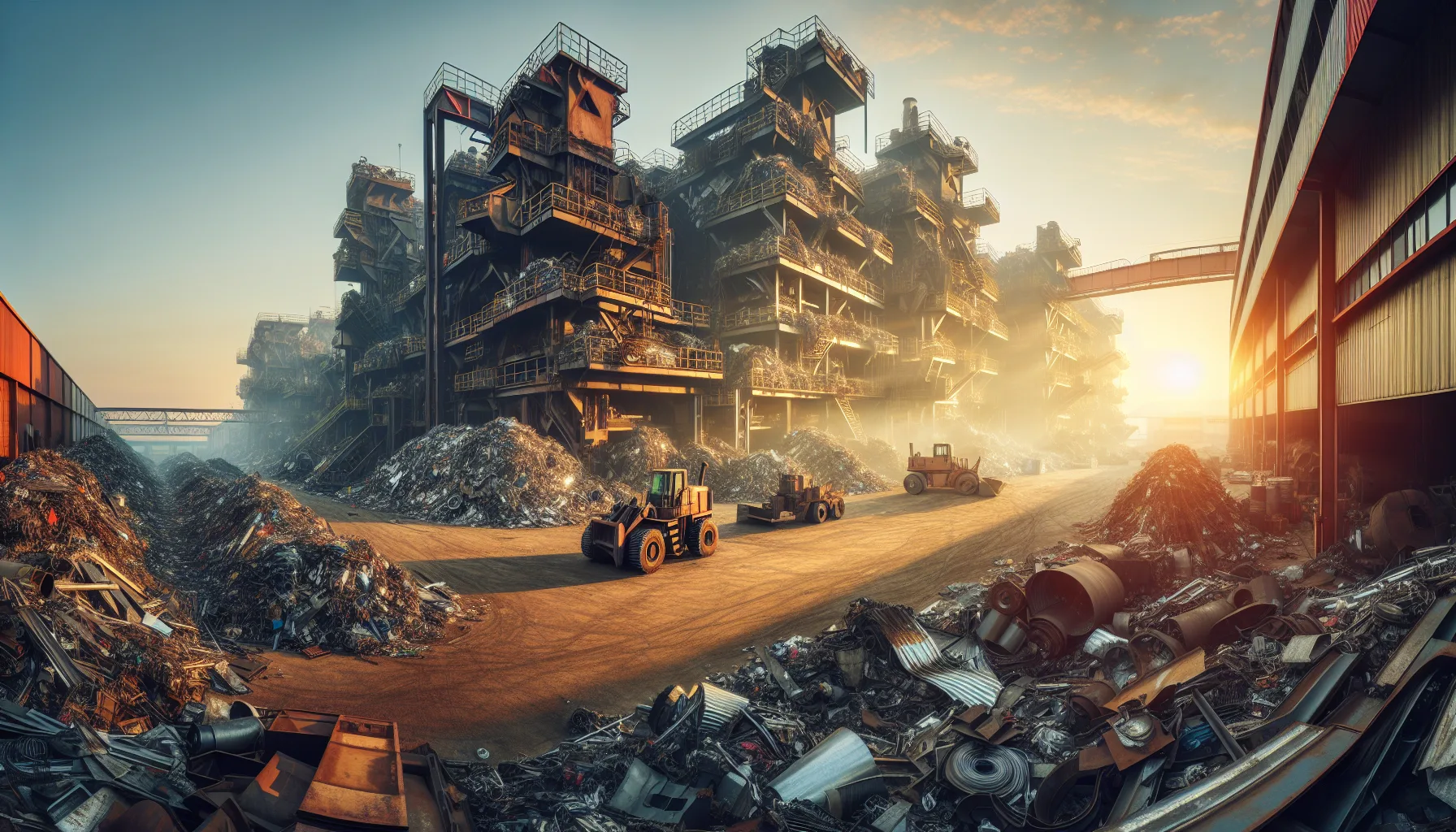
Understanding the Car Disposal Landscape: More Than Just Names
Did you know that over 12 million vehicles reach the end of their road life annually in the United States? When your car becomes more liability than asset, knowing where to sell my junk car Bakersfield residents often discover involves understanding three distinct types of businesses that handle end-of-life vehicles. While many people use the terms junkyard, salvage yard, and auto recycler interchangeably, these facilities operate with fundamentally different business models and serve unique purposes in the automotive ecosystem.
The confusion between these facilities costs vehicle owners money and time. Some focus on crushing cars for scrap metal, others specialize in reselling usable parts, and the most advanced operations combine both approaches with environmental responsibility. Understanding these differences helps you make informed decisions when it's time to sell your scrap car for fair pricing and ensures you receive maximum value for your vehicle.
In Bakersfield's competitive automotive market, these distinctions matter even more. California's strict environmental regulations have shaped how these businesses operate, creating opportunities for car owners who know which type of facility best matches their needs. Let's break down these differences so you can navigate your options with confidence.
Junkyards: The Traditional Scrap Metal Approach
Junkyards represent the oldest model in the automotive disposal industry. These facilities primarily purchase vehicles for their scrap metal value, focusing on weight-based pricing rather than individual component worth. When you bring a vehicle to a traditional junkyard, they typically weigh your car and offer payment based on current scrap metal prices multiplied by the vehicle's weight.
The business model is straightforward but often leaves money on the table. Junkyards crush most vehicles relatively quickly, extracting valuable metals like steel, aluminum, and copper for sale to metal processors. This approach works efficiently for vehicles with minimal resale value, but it doesn't account for valuable components that could fetch higher prices individually.
Most traditional junkyards operate with limited inventory organization. Cars sit in large lots organized by arrival date rather than make, model, or part availability. This system makes finding specific components challenging for do-it-yourself mechanics or repair shops seeking affordable replacement parts. However, junkyards excel at processing high volumes of vehicles quickly, making them efficient for basic scrap metal extraction.
Payment from junkyards typically ranges from $200 to $500 per vehicle, depending on size and current scrap metal markets. Larger vehicles like trucks and SUVs command higher prices due to increased metal content. The process moves fast — most junkyards can complete transactions within hours of vehicle arrival.
Salvage Yards: Parts-Focused Operations
Salvage yards operate with a completely different philosophy than traditional junkyards. These facilities view each vehicle as a collection of potentially valuable parts rather than just scrap metal. When salvage yards purchase vehicles, they systematically remove and catalog usable components before sending the remaining shell for scrap processing.
The parts inventory approach creates higher value for vehicle owners. A single catalytic converter, transmission, or engine can be worth more than an entire vehicle's scrap metal value. Salvage yards invest time and labor into removing these high-value components, storing them in organized warehouses, and marketing them to repair shops, mechanics, and individual customers.
This business model requires more sophisticated operations. Salvage yards maintain detailed inventory systems, employ skilled dismantlers, and often provide warranties on parts sales. The increased operational complexity allows them to offer better prices to vehicle sellers, particularly for cars with valuable components intact.
Modern salvage yards often specialize in specific vehicle types or brands. Some focus exclusively on luxury vehicles, others concentrate on popular domestic models, and many develop expertise in particular systems like engines, transmissions, or electronic components. This specialization helps them maximize part values and build relationships with targeted customer bases.
Auto Recyclers: The Environmental Leaders
Auto recyclers represent the most advanced approach to end-of-life vehicle processing. These facilities combine the efficiency of junkyards with the parts focus of salvage yards while adding comprehensive environmental responsibility. Auto recyclers follow strict protocols for fluid removal, parts cleaning, and material separation to minimize environmental impact.
The environmental focus creates additional revenue streams that benefit vehicle sellers. Auto recyclers properly drain and process fluids like oil, coolant, and brake fluid for reuse or safe disposal. They remove and recycle tires, batteries, and other components that require special handling. This comprehensive approach often allows them to offer competitive prices while maintaining profitable operations.
California's environmental regulations have made auto recyclers particularly important in the state's automotive disposal landscape. These facilities must comply with strict air quality, water protection, and waste management standards. The regulatory compliance creates barriers to entry but also ensures that established auto recyclers operate with professional standards that protect both the environment and their customers.
Auto recyclers typically invest in modern equipment for efficient dismantling and material separation. Computer-controlled inventory systems track parts from removal through sale, ensuring quality control and customer satisfaction. Many auto recyclers now participate in catalytic converter auction networks to maximize returns on these high-value emission control components.
When you need to sell my car fast Bakersfield residents often find that auto recyclers provide the best combination of fair pricing, professional service, and environmental responsibility. These facilities understand that quick, convenient transactions benefit both parties — you get immediate cash, and they secure inventory for their operations.
Pricing Differences and What They Mean for Sellers
The pricing structures across these three facility types vary significantly based on their business models and operational approaches. Understanding these differences helps you identify which option provides the best value for your specific vehicle and situation.
Junkyards typically offer the most predictable pricing. Their weight-based model means similar vehicles receive similar offers regardless of make, model, or condition. This consistency appeals to sellers who want straightforward transactions without extensive vehicle evaluation. However, the standardized approach often undervalues vehicles with expensive components or rare parts.
Salvage yards provide more variable pricing based on parts potential. A running vehicle with valuable components might fetch $800 to $1,500, while a severely damaged car with few usable parts might only bring $300 to $600. This range reflects the time and expertise salvage yards invest in evaluating each vehicle's parts inventory potential.
Auto recyclers often offer the highest overall value, particularly for vehicles with intact catalytic converters, functioning engines, or other high-demand components. Their comprehensive evaluation process considers scrap metal value, parts potential, and recyclable materials to develop competitive offers. Many auto recyclers also provide additional services like free towing that add value to their packages.
Current junk car prices today reflect broader economic factors including scrap metal markets, used parts demand, and environmental compliance costs. Steel prices fluctuate based on global supply and demand, while precious metals in catalytic converters respond to different market forces. Understanding these factors helps you time your sale for maximum value.
For Bakersfield vehicle owners, the local market includes representatives of all three facility types. Comparing offers from multiple sources ensures you receive fair market value regardless of which business model best fits your situation.
The SMASH Platform: Connecting Sellers with the Right Buyers
Traditional car selling methods require extensive research to identify which facilities might offer the best value for your specific vehicle. Calling individual junkyards, salvage yards, and auto recyclers takes time and often provides incomplete information about current pricing and services.
Modern platforms like SMASH solve this problem by connecting vehicle sellers with multiple buyers simultaneously. Instead of spending hours researching local facilities and making individual calls, sellers can sell my junk car online through streamlined systems that match vehicles with appropriate buyers based on condition, location, and parts potential.
SMASH particularly excels at maximizing value for vehicles with valuable components. The platform's network includes auto recyclers and salvage yards that specifically seek vehicles with intact catalytic converters, functioning engines, or other high-demand parts. This targeted matching often results in offers that exceed what individual facility visits might produce.
The convenience factor appeals strongly to busy vehicle owners. Rather than taking time off work to visit multiple facilities for quotes, sellers can receive competitive offers online and schedule a free scrap car pickup at their convenience. This service model particularly benefits people dealing with non-running vehicles that would require expensive towing to reach evaluation facilities.
For California residents, SMASH's network includes facilities that understand state environmental regulations and compliance requirements. This knowledge ensures that your vehicle sale proceeds smoothly without unexpected delays or complications related to regulatory requirements.
Making the Right Choice for Your Situation
Selecting the appropriate facility type depends on several factors including your vehicle's condition, your timeline requirements, and your priorities regarding environmental responsibility. Each approach offers distinct advantages for different selling situations.
Choose traditional junkyards when you need immediate cash for a severely damaged vehicle with minimal parts value. This option works best for cars that have been in major accidents, suffered flood damage, or experienced engine fires that destroyed most valuable components. The quick processing and predictable pricing make junkyards efficient for straightforward scrap metal sales.
Salvage yards excel for vehicles with valuable intact components but significant damage that prevents roadworthy operation. Cars with good engines, transmissions, or electronic systems but damaged frames or body panels often receive better offers from salvage yards than traditional junkyards. The parts-focused evaluation considers component value rather than just scrap weight.
Auto recyclers provide the best option for environmentally conscious sellers who want comprehensive vehicle processing. These facilities also often offer the highest prices for vehicles with multiple valuable components, particularly when environmental compliance adds value to the transaction.
When you want to sell scrap car in California efficiently, consider using platforms that connect you with multiple facility types simultaneously. This approach ensures you receive competitive offers while maintaining flexibility about which buyer provides the best combination of price, service, and convenience.
The key lies in understanding that your vehicle's value extends beyond simple scrap metal weight. Catalytic converters alone can be worth $200 to $2,000 depending on the model and precious metal content. Engines, transmissions, and electronic modules each carry significant value in the used parts market. Facilities that recognize and pay for these components typically provide better overall returns.
Remember that read scrap car selling guides offer additional insights into maximizing your vehicle's value regardless of which facility type you ultimately choose. Understanding current market conditions, preparation techniques, and negotiation strategies helps ensure successful transactions.
Ready to discover what your end-of-life vehicle is really worth? Whether your car ends up at a junkyard, salvage yard, or auto recycler, the most important step is connecting with buyers who understand your vehicle's true value. Platforms like SMASH make this connection effortless by bringing competitive offers directly to you. Don't settle for the first offer or spend your weekend driving to multiple facilities. free junk car removal from GetMyScrapCar services demonstrate how modern vehicle selling should work — convenient, competitive, and completely hassle-free. Sell your scrap car today — get a free quote at sell-myscrapcar.com.
Frequently Asked Questions
Q: What's the main difference between junkyards and auto recyclers in Bakersfield?
Junkyards primarily focus on scrap metal value and typically crush vehicles quickly, while auto recyclers systematically remove valuable parts and follow strict environmental protocols. Auto recyclers generally offer higher prices because they maximize value from both parts and scrap metal while ensuring proper fluid disposal and material recycling.
Q: How do I know if my junk car has valuable parts worth more than scrap metal?
Vehicles with intact catalytic converters, functioning engines, good transmissions, or complete electronic systems often have parts value exceeding scrap metal prices. Cars from popular manufacturers, luxury brands, or models known for expensive replacement parts typically benefit from parts-focused evaluation rather than weight-based scrap pricing.
Q: Can I sell my junk car online in Bakersfield without visiting multiple facilities?
Yes, platforms like SMASH connect Bakersfield sellers with multiple buyers simultaneously, eliminating the need to visit individual facilities. You can receive competitive offers online and arrange free pickup, making the process much more convenient than traditional methods that require driving to multiple locations for quotes.
Q: Do California environmental regulations affect where I can sell my scrap car?
California's strict environmental regulations mean that legitimate facilities must follow specific protocols for fluid removal, parts processing, and material disposal. Working with licensed auto recyclers or established salvage yards ensures compliance with state requirements and protects you from potential liability issues related to improper vehicle disposal.
Q: How quickly can I sell my junk car in Bakersfield?
Timeline varies by facility type and method. Traditional junkyards often complete transactions within hours, while salvage yards might need 1-2 days for parts evaluation. Online platforms typically provide offers within 24 hours and can arrange pickup within 2-3 days, offering a good balance of speed and competitive pricing.
Stay informed about scrap metal market trends and automotive recycling developments by following SMASH on LinkedIn for industry updates and insights that help you make better vehicle selling decisions.