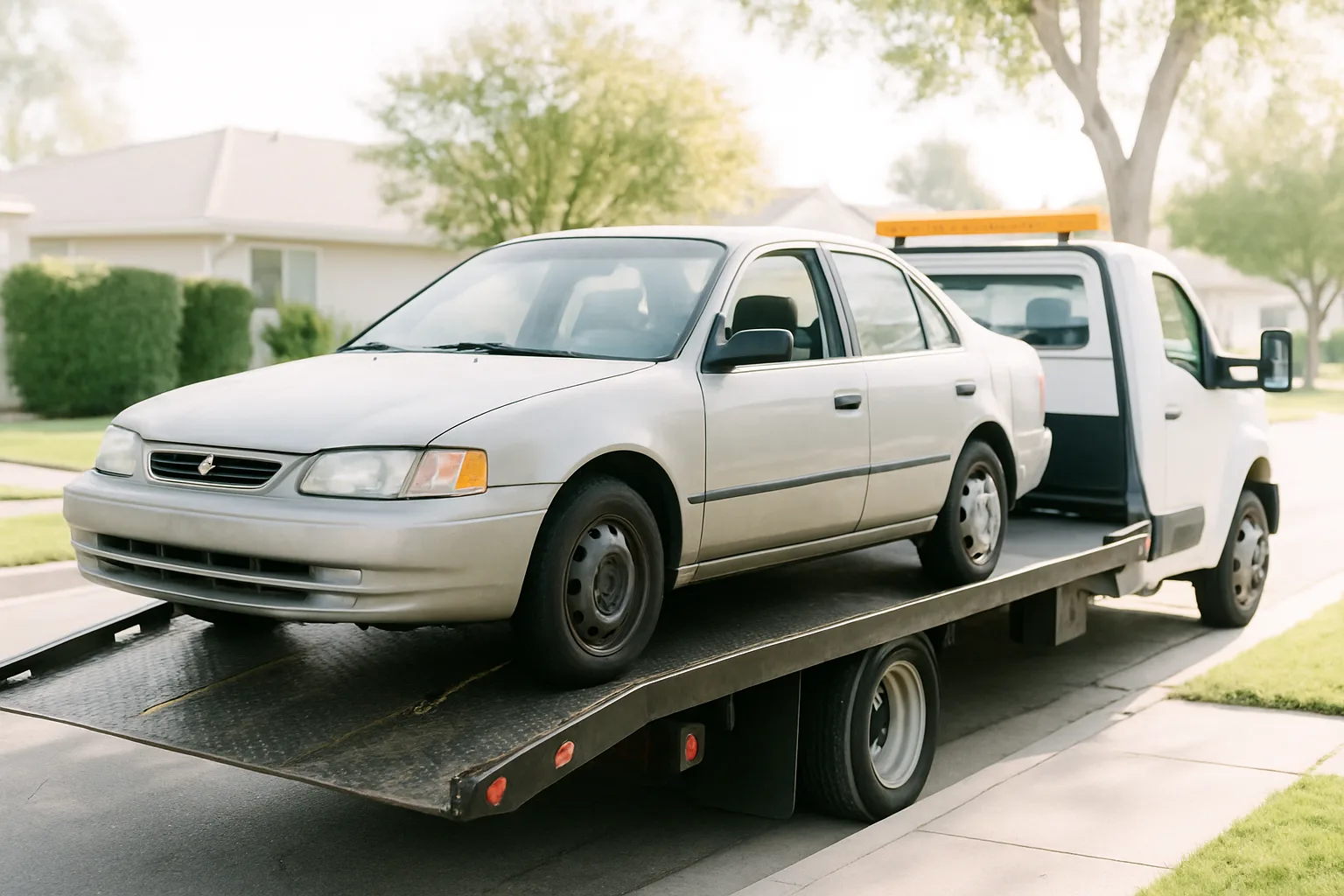
What Actually Happens When You Call to Junk a Car (Step by Step)
Most people have no idea what happens after they make that first call to sell a junk car. They picture a sketchy tow truck, a lowball offer, and a stack of confusing paperwork. In reality, the process is straightforward — if you're working with the right service. Whether your vehicle hasn't moved in two years or just blew its head gasket, here's exactly how junk car removal works, and how to make sure you get a fair deal when you sell scrap car San Jose.
San Jose alone generates thousands of end-of-life vehicles every year. The Bay Area's aging vehicle fleet, high cost of repairs, and strict California emissions standards push a lot of cars into scrap territory faster than owners expect. Knowing the process before you pick up the phone puts you in a much stronger position.
Step 1 — Get a Quote Before You Agree to Anything
The first step is simple: get a number. You'll typically answer a few questions about your vehicle — year, make, model, mileage, condition, and whether it runs. That information shapes the offer. A non-running 2009 Honda Accord with a blown transmission is worth something different than a 2015 F-150 with a cracked frame but a working drivetrain.
Don't accept the first number you hear without understanding what's behind it. A legitimate buyer can explain what they're basing the price on — scrap metal weight, salvageable parts, current commodity prices. If they can't, that's a red flag. Tools like a how much is my junk car worth calculator can give you a rough baseline before you start calling around, so you're not negotiating blind.
- Have your VIN ready. It tells buyers exactly what they're working with — engine type, original specs, recall history.
- Know your title status. California requires a clean title to transfer ownership legally. If yours is lost, get a duplicate from the DMV before you proceed.
- Don't guess on condition. Be honest about what's missing or broken. Surprises at pickup can lower your final offer on the spot.
Platforms like SMASH put your vehicle in front of vetted buyers instead of leaving you dependent on one buyer's opinion of what your car is worth. More eyes on your vehicle means better price discovery — simple math.
Step 2 — Schedule Your Free Scrap Car Pickup
Once you agree to a price, the next step is setting up removal. A reputable service offers free scrap car pickup San Jose — no hidden towing fees that get deducted from your quote at the last minute. Confirm that upfront. It's a common bait-and-switch: quote you $400, then hand you a bill for $75 in towing at pickup. Your net is now $325, and you didn't find out until the truck was already in your driveway.
Most pickups in the San Jose area happen within 24 to 48 hours of scheduling. If a company is quoting you a week out with no explanation, keep looking. You can schedule a free scrap car pickup and typically have your vehicle gone within a day or two — sometimes same-day depending on availability.
Before the truck arrives, do these things:
- Remove all personal belongings — check the trunk, under seats, and in the glovebox.
- Pull your license plates. In California, you return plates to the DMV or transfer them to a new vehicle — they don't go with the car.
- Cancel your insurance once the title is signed over, not before.
- Have your title and a valid photo ID ready for the driver.
Step 3 — The Pickup Itself and What to Expect at the Door
The tow truck arrives, the driver inspects the vehicle briefly, and you sign over the title. That's the core of it. In most cases, the driver handles a bill of sale on the spot, which protects you from future liability — parking tickets, tolls, or accidents tied to a vehicle you no longer own.
Here's where some sellers get caught off guard: the driver does a quick condition check. If the car has significantly more damage than described — missing catalytic converter, stripped interior, absent engine components — the buyer may adjust the offer. That's why honest descriptions matter at the quote stage. What you describe on the phone should match what the driver sees in your driveway.
Speaking of catalytic converters — if yours is still intact, it can meaningfully affect your car's scrap value. Cats contain platinum, palladium, and rhodium, and their value fluctuates with commodity markets. A catalytic converter auction through a platform like SMASH can extract more value from that component than a flat-rate buyer who's already priced it into a lowball offer. If you're selling a vehicle with the cat still attached, know that it's worth something — and make sure your buyer is accounting for it.
How Much Is the Average Junk Car Worth in San Jose?
This is the question everyone has. The honest answer: it depends on too many variables for a single number to be accurate. But here's a useful framework. Scrap car values in California are influenced by:
- Vehicle weight. Heavier vehicles — trucks, SUVs, full-size sedans — generally bring more as scrap because they contain more steel and aluminum.
- Commodity prices. Steel, aluminum, copper, and platinum-group metals all fluctuate. A load worth $X in March may be worth more or less in August.
- Salvageable parts. A car with a working transmission, good tires, or an undamaged body panel is worth more than one that's been stripped.
- Location. Proximity to recycling yards and demand in a specific market affects what buyers are willing to pay. San Jose has active auto recyclers, which generally supports competitive offers.
The how much is the average junk car worth question gets murkier because "junk" covers a wide range. A running vehicle that won't pass smog might fetch $800–$2,000 or more in parts value. A flood-damaged shell that's been sitting for three years might bring closer to scrap weight value only. Use a calculator as a starting point, get at least two or three quotes, and know what your vehicle contains before you accept the first offer. You can also sell your scrap car for fair pricing by working with services that use competitive buyer networks rather than fixed-rate payouts.
What Happens to Your Car After It Leaves Your Driveway
A lot of sellers never think about this part, but it's worth understanding — especially if you want to make sure you got a fair deal. After pickup, most junk vehicles go to an auto recycler or salvage yard. There, the vehicle gets assessed for reusable parts first. Engines, transmissions, doors, bumpers, wheels — anything with resale value gets pulled and sold separately.
What's left gets crushed and shredded. The metal goes to a mill, gets melted down, and enters the steel supply chain again. California has some of the strictest environmental regulations in the country for this process — fluids must be drained and disposed of properly, and certain materials require special handling. Reputable auto recyclers in the San Jose area follow California's Department of Resources Recycling and Recovery (CalRecycle) standards.
Fluids — oil, coolant, transmission fluid, brake fluid — are captured and recycled or disposed of according to hazardous waste regulations. Batteries are pulled and recycled separately. Tires are processed through certified facilities. When you sell through a legitimate service, you're not just getting rid of a problem — you're feeding a regulated recycling chain that keeps materials out of landfills.
Platforms like SMASH bring transparency to this chain by connecting sellers directly with vetted buyers who compete for loads. That competition is what drives better pricing — not a single buyer with a take-it-or-leave-it number. For more on navigating this process, read scrap car selling guides that break down pricing, documentation, and what to watch out for.
Sell Scrap Car in California — What Makes the Process Different Here
California has specific rules that affect how junk car sales work. First, the title. California is strict about title transfers — you can't legally sell a vehicle without one, and the buyer can't legally take it. If you've lost your title, the DMV's REG 227 form lets you apply for a duplicate. Factor in a few business days for that process before you schedule pickup.
Second, the Notice of Transfer and Release of Liability (NRL). File this with the DMV at the time of sale — not after. This is what protects you if the vehicle racks up violations after you've handed over the keys. It's a simple online form and takes about five minutes. Don't skip it.
Third, California's smog requirements. Junk cars sold to dismantlers are typically exempt from smog certification, but you should confirm this with your buyer. If you're selling to a private party rather than a scrap service, smog rules may apply differently. For most sell scrap car in California transactions through legitimate auto recyclers, the exemption applies — but verify rather than assume.
San Jose sits in Santa Clara County, which has its own local considerations around vehicle disposal and recycling. The San Jose scrap metal services available through our platform are familiar with local requirements and can walk you through the paperwork without making it complicated. And if you want to explore additional options, explore scrap car removal services at GetMyScrapCar for more coverage across the Bay Area.
If your car is done, don't let it sit and depreciate further. Every month a junk vehicle sits, parts corrode, tires go flat, and the offer you'd get goes down. The process takes less time than most people expect — a quote call, a pickup appointment, a title signature, and it's gone. Do it right, use the right platform, and you'll walk away with more than you expected.
Frequently Asked Questions
Q: How do I sell a scrap car in San Jose if I don't have the title?
You'll need to obtain a duplicate title through the California DMV before completing the sale. Use Form REG 227 (Application for Duplicate or Transfer of Title) and allow a few business days for processing. Most legitimate scrap car buyers in San Jose require a clean title to complete the transfer legally.
Q: Is free scrap car pickup in San Jose actually free, or are there hidden fees?
A reputable service won't charge for towing — the pickup cost is built into the offer. Always confirm before scheduling that the quoted price is what you'll receive, with no towing or admin fees deducted at the door. If a service can't confirm this clearly, that's a sign to keep looking.
Q: How much is my junk car worth in the San Jose area?
Value depends on vehicle weight, condition, salvageable parts, and current commodity prices. A running vehicle can be worth significantly more than one stripped or flood-damaged. Use a junk car worth calculator as a starting point, get multiple quotes, and make sure the buyer accounts for components like the catalytic converter in their offer.
Q: Do I need to remove my license plates before the tow truck arrives?
Yes. In California, license plates belong to you, not the vehicle. Remove them before the driver arrives and either return them to the DMV or transfer them to another vehicle you own. Don't leave them on the car.
Q: How quickly can I get my junk car removed in San Jose?
Most pickups in the San Jose area happen within 24 to 48 hours of scheduling, and same-day removal is sometimes available. Have your title, ID, and vehicle information ready to speed up the process. The faster you can confirm your details, the faster the truck rolls.
Ready to stop looking at that car in your driveway? The process is faster and more straightforward than most people expect. Get a fair quote, skip the guesswork, and sell your scrap car for fair pricing today at sell-myscrapcar.com.
Stay current on scrap metal market trends and pricing insights — follow SMASH on LinkedIn for regular industry updates that help you sell smarter.