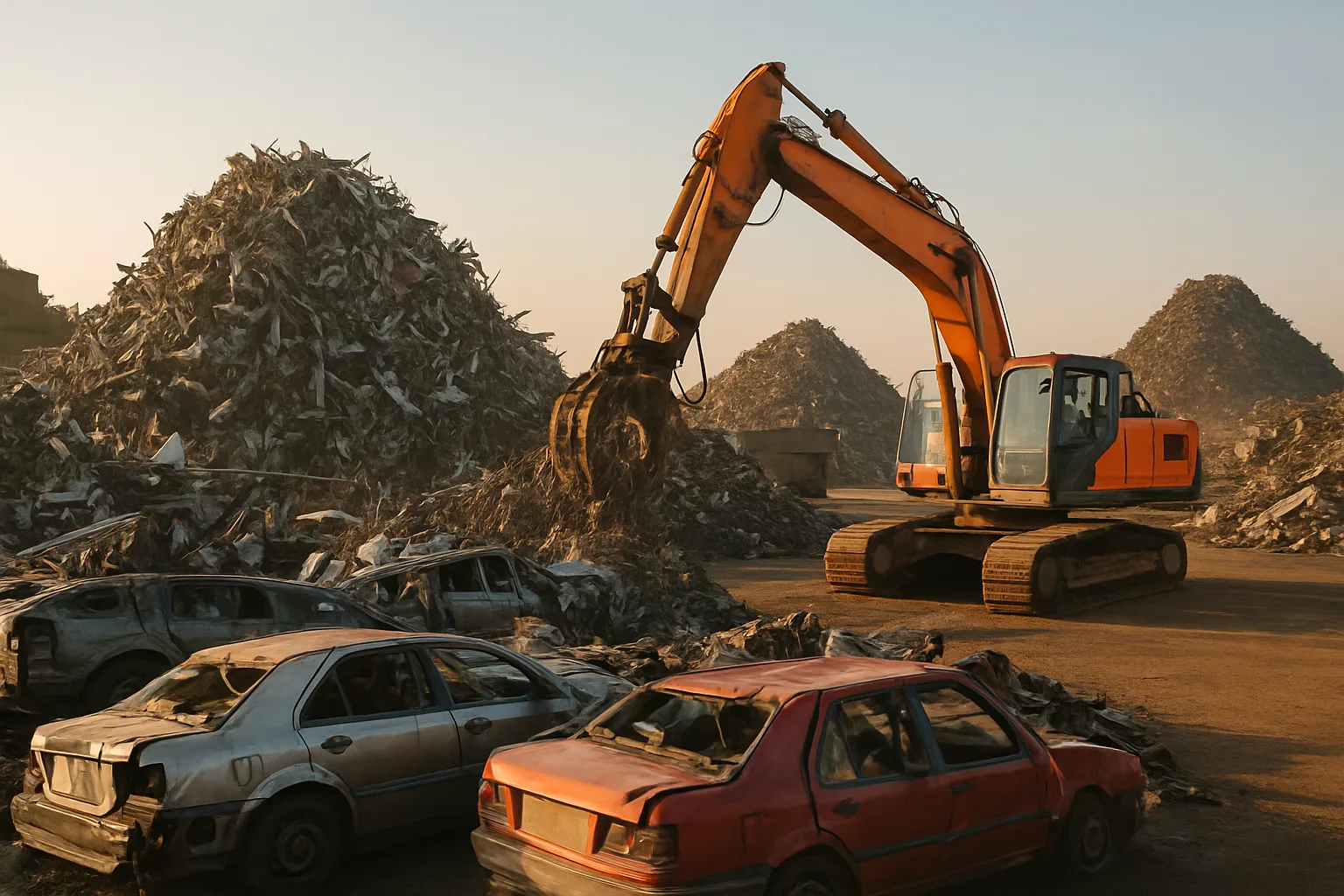
Most people hand over their keys, watch their old car get loaded onto a flatbed, and never think about it again. But if you've ever wondered where that rusted-out sedan or flood-damaged truck ends up — the answer is more interesting than you'd think. If you're searching for junk car buyers near me Oakland, understanding what happens after pickup can help you feel confident you're making the right call. Nothing gets wasted. Not the steel. Not the fluids. Not even the catalytic converter.
Here's a straight look at the full lifecycle of a junk car — from the moment it leaves your driveway to the moment it becomes raw material again.
---Step One: The Car Arrives at the Auto Recycler
When a tow truck drops your vehicle at the yard, it doesn't just sit in a pile. Auto recyclers run organized operations. Your car gets logged into their system — VIN recorded, condition noted, weight estimated. That data drives every decision that follows.
The yard then does a quick assessment. How much usable metal is here? Are there sellable parts? What's the condition of the catalytic converter? Is the engine rebuildable? Oakland has a dense network of recycling yards that move a high volume of vehicles, so this intake process is fast, systematic, and financially driven.
- VIN lookup confirms the vehicle's year, make, model, and any outstanding flags
- Weight estimate helps the yard calculate scrap metal value before dismantling begins
- Part condition check determines whether components go to resale or straight to shredding
- Fluid inventory identifies what needs to be drained and properly disposed of
This is a business, not a junkyard from a 1970s movie. Modern recyclers track inventory with real software and make calculated decisions about how to maximize recovery from every single vehicle.
---Depollution: The Step Most People Don't Know About
Before anything gets crushed or stripped, the vehicle goes through depollution. This is legally required in California and most U.S. states, and it's one of the most environmentally important steps in the entire process.
Depollution means removing all hazardous fluids and materials from the vehicle before it enters the shredder or gets disassembled. A licensed recycler in Oakland won't skip this step — not just because the law requires it, but because spills cost money and contaminate the scrap stream.
Here's what gets removed during depollution:
- Engine oil and transmission fluid
- Coolant (antifreeze)
- Brake fluid and power steering fluid
- Refrigerants from the air conditioning system
- Fuel remaining in the tank
- Battery acid
- Mercury switches (found in older pre-2003 vehicles)
These fluids are either recycled, treated, or disposed of according to environmental regulations. California's standards are among the strictest in the country, which means yards operating in Oakland are held to a high bar. That's a good thing for the community and for the recycling stream that follows.
---Parts Harvesting: Where Real Value Gets Recovered for Cash for Cars Oakland
Once depollution is complete, the dismantling begins. This is where a skilled recycler separates value from scrap. Not every part goes to the shredder — high-demand components get pulled, cleaned, inventoried, and resold.
If you're in Oakland comparing cash for cars Oakland quotes, you should know: the buyer is calculating exactly which parts they can recover and sell. That calculation directly influences how much they offer you upfront. Yards that can extract more value from a car can often afford to pay more for it.
Parts commonly harvested before shredding include:
- Catalytic converters — one of the highest-value components due to platinum, palladium, and rhodium content
- Engines and transmissions — especially from popular models with reusable powertrains
- Alternators, starters, and AC compressors — rebuilt and resold
- Doors, hoods, and body panels — for collision repair shops
- Wheels and tires — if they're in usable condition
- Seats and interior components — demand varies by vehicle age and condition
- Electronic modules and sensors — increasingly valuable as vehicles get more complex
Platforms like SMASH have changed how catalytic converters move through this chain. Rather than a recycler accepting whatever one buyer offers on a phone call, sell your scrap car for fair pricing and let the market work. SMASH runs a catalytic converter auction format that connects sellers with vetted buyers — so converters and other non-ferrous components go to competitive bidding instead of a single-buyer handshake deal. More buyers means better price discovery.
---The Shredder: Where Steel Becomes a Commodity
After parts harvesting, what's left is the vehicle body — sometimes called the "hulk." This goes to an industrial shredder. These machines are enormous. A full-size vehicle gets torn into fist-sized chunks of mixed metal in under a minute.
The shredded output — called shredder fluff — goes through magnetic separation to pull out ferrous (iron and steel) material. Non-ferrous metals like aluminum, copper, and zinc get separated using eddy current and density separation equipment. What's left over — foam, plastic, glass, and rubber — is the actual waste fraction and goes to landfill or specialized processing.
The recovered steel from a single average passenger car weighs roughly 2,000 to 2,500 pounds. That steel enters the commodity market and eventually becomes new steel products — construction materials, appliances, new vehicles. In California, recycled steel plays a real role in reducing the demand for raw ore extraction. Every car that goes through a licensed recycler in Oakland instead of sitting abandoned on a lot is one fewer environmental liability.
If you're still figuring out how to read scrap car selling guides before making a decision, that's smart. Understanding the process helps you ask better questions and spot the difference between a fair offer and a lowball.
---How Scrap Metal Pricing Works After Your Car Leaves the Yard
Here's where things get nuanced. The scrap metal your car produces doesn't have a fixed price — it trades like a commodity. Steel prices fluctuate based on global demand, energy costs, and regional supply. Non-ferrous metals like copper and aluminum move even more aggressively, often tracking manufacturing cycles and trade flows.
When you search "junk car buyers near me open now" and compare a few quotes, you're really comparing how different buyers are valuing the downstream components of your car in today's market. A quote from six months ago might be meaningfully different from a quote today — not because someone changed their pricing model, but because the underlying metal markets moved.
This is why working with buyers who are plugged into real-time market data matters. SMASH operates in this space, connecting recyclers and buyers across North America through a transparent auction platform. The documented inventory tools, VIN lookup, photo documentation, and auto-invoicing features mean that every transaction has a clear paper trail — not a vague verbal agreement on the phone.
Disclaimer: Scrap metal prices fluctuate based on market conditions. Always check current rates before finalizing a sale. The figures and trends referenced here reflect general market context as of June 2026 and are subject to change.
---What This Means for You When You Sell Scrap Car in California
Understanding the recycling chain has a practical payoff. When you sell scrap car in California, you're not just offloading a headache — you're entering a supply chain. The more documentation you have, the smoother the transaction. A clear title speeds up the process. Disclosing known damage helps buyers price accurately. Knowing what's on your car — like whether the catalytic converter is original or has already been stolen — affects the offer you'll receive.
Oakland's density and active recycling market means you have real options. Don't default to the first quote you get. Don't assume all buyers are the same. The difference between a yard that has multiple vetted buyers bidding on your vehicle's components versus one that calls a single buyer they always use is real money in your pocket.
If you're ready to move forward, schedule a free scrap car pickup and get a quote based on what your vehicle is actually worth — not what one buyer thinks they can get away with offering. Also check out getmyscrapcar.com for additional resources and local service options.
The old way — one call, one number, take it or leave it — leaves money on the table. The smarter move is getting into a process where competition does the work for you. If your car is sitting in Oakland right now, it has more value than you might think. Sell your scrap car today — get a free quote at sell-myscrapcar.com and find out exactly what it's worth in today's market.
---Frequently Asked Questions
Q: How do I find junk car buyers near me in Oakland that are open now?
Most licensed auto recyclers and junk car buying services in Oakland operate Monday through Saturday during standard business hours. Many offer online quote forms you can submit any time, with same-day or next-day callback. Searching "junk car buyers near me open now" will surface local options, but always verify that the buyer is licensed and offers free towing before committing.
Q: Does it cost anything to have my junk car picked up in Oakland?
Reputable junk car buyers in Oakland include free towing as part of the deal. You should not pay out of pocket for the tow — that cost is factored into the buyer's offer. If a buyer is quoting you a price and then deducting a towing fee, get a second quote.
Q: How does my catalytic converter affect my cash for cars Oakland offer?
Catalytic converters contain platinum, palladium, and rhodium — all valuable precious metals. Your converter's condition and whether it's original to the vehicle significantly affects what buyers will offer. If your converter has already been stolen (a common issue in California), that will lower your quote, since that component represents a meaningful portion of a car's total scrap value.
Q: What documents do I need to sell my scrap car in California?
In California, a clear title is typically required to sell a vehicle, including junk cars. If you've lost your title, you can apply for a duplicate through the California DMV before completing the sale. Some buyers can work with a bill of sale in limited circumstances, but having your title ready speeds up the process considerably.
Q: What happens to the steel and metal from my car after it's recycled?
The shredded steel from your vehicle enters the commodity metals market and is purchased by steel mills and foundries. It gets melted down and repurposed into new steel products — including new vehicles, appliances, and construction materials. Recycling one average passenger car recovers approximately 2,000–2,500 pounds of steel, keeping that material out of landfills and reducing the need for raw ore extraction.
---Follow SMASH on LinkedIn for ongoing scrap metal market updates, industry insights, and tips on getting the most from your next scrap transaction.